Lebanon and Bulgaria Forge New Agricultural Trade Pathways
Lebanon's agriculture minister sat down with Bulgaria's ambassador in Beirut this week, and both dailybeirut.com and MTV Lebanon are running the same headline: agricultural cooperation is now an active bilateral track.
As reported by MTV Lebanon, Minister Hani and Ambassador Tomov met specifically to discuss how the two countries can deepen ties across the agri-food chain.
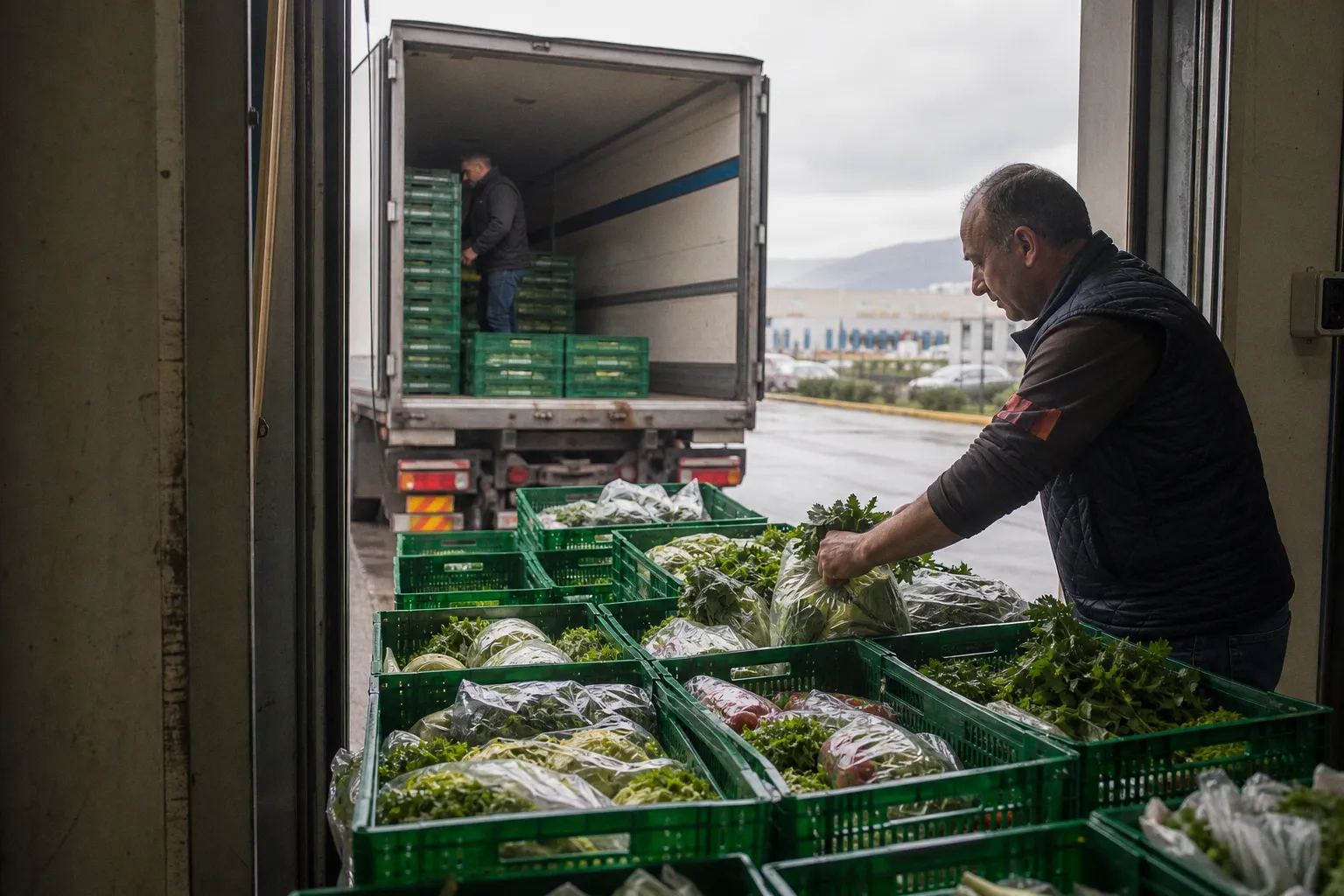
For cooperative exporters already absorbing cold-chain friction out of Beirut port, the press release matters less than what it actually unlocks at the reefer plug. Here is how to read the signal and what to do before any protocol is signed.
What a bilateral agri track typically delivers
You have seen this pattern before. When two governments publicly name "agricultural cooperation" as a workstream, the next 6–12 months usually produce three operational deliverables:
- Phytosanitary harmonization. Expect movement toward a bilateral plant health arrangement that pre-clears Lebanese citrus, table grapes, and pome fruit for Bulgarian ports. The win for you is reduced inspection dwell time at destination — every hour saved on the quay is margin recovered on the pallet.
- Seed and input corridors. Bulgaria's vegetable seed sector has been courting Mediterranean greenhouse operators for years. A formal dialogue opens the door to trial access for hybrid varieties adapted to shorter cycles.
- Trade-fair and buyer-mission slots. Sofia has historically used state channels to bring in Levantine fresh produce. If a dedicated pavilion or buyer delegation forms, cooperatives with EU-export-ready grading get a faster lane into Balkan retail.
Your near-term operator checklist
Do not wait for a signed MOU. Move now on the levers this announcement puts in motion.
1. Pull your Balkan route data. If your cooperative ships through German or Dutch intermediaries, ask your forwarder for a transit comparison via a direct Bulgaria entry point. A 2–4 day cut on a reefer run directly improves your spoilage rate at port — that is the number your CFO will react to.
2. Pre-stage your phytosanitary file. Contact your certifying body and request the document template Bulgarian customs typically demands. Have it ready before the first inquiry lands from a Sofia-based importer.
3. Flag seed-trial candidates. If you operate greenhouse tomatoes, peppers, or cucumbers, request Bulgarian hybrid samples through your existing seed supplier now. Trial data takes a full production cycle — cooperatives that start this season will be the first to claim varietal preference when the corridor opens.
4. Brief your board on EU-adjacent logistics. Bulgaria sits one truck lane from the wider EU single market. Even partial access changes your pricing power with European buyers who currently source through third-country consolidators.
What to track next
Watch for two signals over the coming weeks: a written joint communiqué naming specific commodities, and any movement on a Lebanese trade mission to Sofia timed to the autumn produce window. Either one converts this meeting from diplomacy into a shipment lane.