Lebanon and Bulgaria Forge New Strategic Partnership for Agricultural Trade
Lebanon's agriculture minister met Bulgaria's ambassador and secured cabinet authorization to sign a new agricultural cooperation memorandum, according to the Ministry of Agriculture.
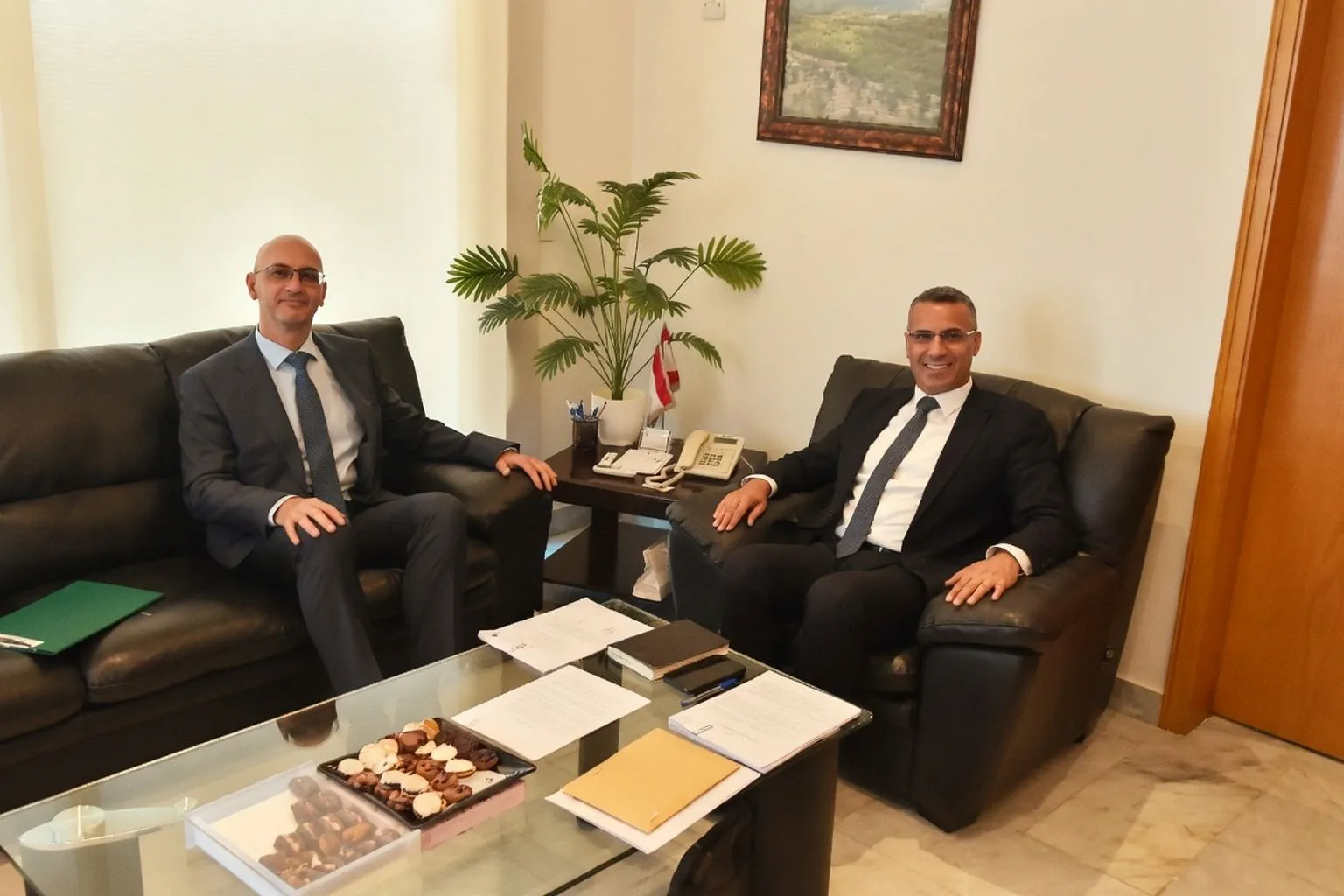
The proposed framework spans agricultural technology, food safety, plant and animal health, research, sustainable farming, and trade access. For cooperatives already navigating the export pipeline, the practical question is which of these channels actually opens—and what field-level groundwork needs to start before any signature ink matters.
What the framework covers
The wording is broad, which is typical for memoranda at this stage. Six clusters show up in the announcement: technology transfer, food safety systems, plant and animal health protocols, joint research, sustainable farming practice, and trade access. Each of these carries a different operational weight for a cooperative shipping fresh produce out of Beirut or Tripoli. Technology transfer and research tend to be slow-moving, often years from measurable field impact. Food safety and plant health, by contrast, are where real friction lives—and where real opportunity hides—because both govern what crosses a border and what gets rejected at the inspection point.
Where Bulgaria fits in the pipeline
Bulgaria sits inside the European Union's single market. That geography matters more than the bilateral language suggests. A Lebanese cooperative does not need a Bulgaria-specific deal to learn EU phytosanitary rules; those rules already govern any shipment heading for Rotterdam or Marseille regardless of which EU port receives it. What a bilateral memorandum can add is a faster channel for specific product categories, a research conduit into EU-funded sustainable agriculture programs, and a political signal that Lebanon is serious about harmonizing plant-health documentation at origin. None of that is automatic—it has to be built into seasonal planning, not bolted on after harvest.
What cooperatives should track this season
Three things worth putting on a planning calendar before the next export window. First, audit current phytosanitary certificates against the strictest EU member-state requirements, not the easiest, because Bulgaria's standards will not be looser than Germany's. Second, map which crops in your rotation already meet the plant-health documentation chains Bulgaria uses for re-export, and flag the ones that do not—that gap list is your real negotiation leverage. Third, if the memorandum includes a research component, identify one field trial where soil microbiology data or input-reduction trials could plug into a Bulgarian counterpart's existing program. The export case is built slowly, from soil samples and compliance paperwork, not from press releases.