How New US Cold Chain Infrastructure Grants Will Impact Lebanese Produce Exports
The U.S. Department of Agriculture has earmarked $7.5 million in grant funding through the Cold Chain Grants for Emergency Food Assistance Program to expand cold storage and distribution infrastructure.
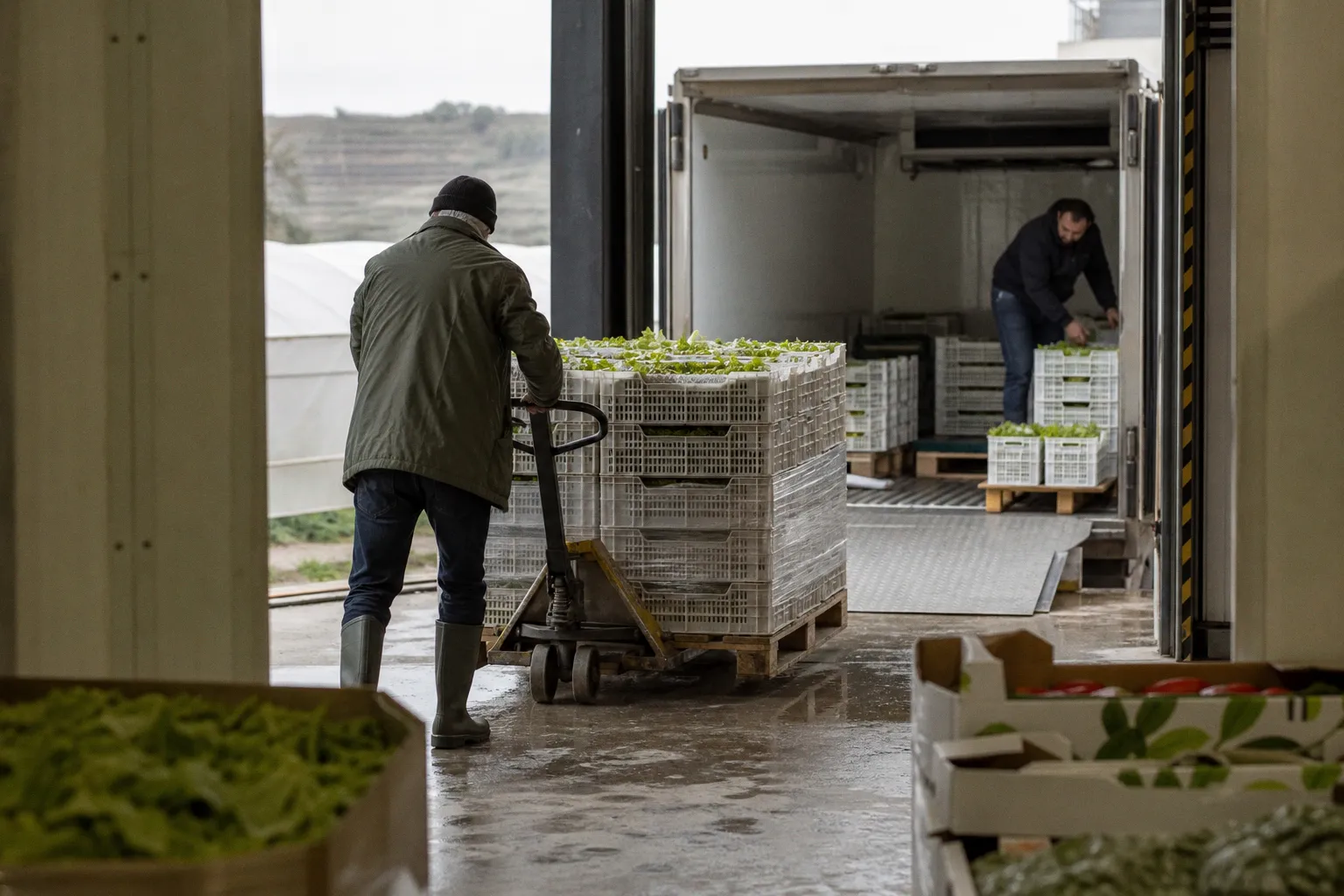
For Lebanese fresh produce cooperatives eyeing US-bound volumes, this is not a direct funding line — it's a competitive signal. The US-side cold chain is hardening, which means buyer specs and tolerance thresholds are about to tighten.
What the funding actually does
The program backbone is cold storage and distribution infrastructure on the receiving end of US emergency food assistance. Federal money flowing in translates operationally into more reefers, more freezer rooms, more handling capacity sitting on the buyer's side of the deal. Emergency food assistance buyers move volume, enforce specs ruthlessly, and don't tolerate temperature excursions, broken cold chains, or phytosanitary flags on incoming loads.
What this does to your lane
When the US cold chain consolidates around publicly funded infrastructure, the tolerance window for transit delays, set-point drift, and out-of-spec pallets on the exporter side narrows fast. Your harvest-to-port-to-warehouse leg now gets measured against a tighter operational yardstick on the receiving end. Spoilage benchmarks that were acceptable last season may not clear the new buying floor.
There is a flip side worth tracking. Funded cold storage capacity gets allocated to specific procurement programs, which can shift the buyer mix on the US import side. Cooperatives currently shipping to specialty or wholesale distributors should map which of those buyers are likeliest to chase federal cold-chain contracts — and adjust volume commitments accordingly.
Your pre-ship protocol
- Lock down the end-to-end cold chain record — reefer set-points, handoff timestamps, pulp-temperature logs from packhouse to vessel, every segment covered
- Cross-check phytosanitary clearance against the fruit actually loaded — no mismatches, no last-minute lot swaps, no human error in the dispatch window
- Confirm your US 3PL's cold storage capacity before peak shipping season — if you don't have one, source it now
- Map transit windows against your buyer's receiving window — assume zero slack, not the slack you got last cycle
- Build margin for temperature excursions without losing shelf life — that is the new compliance floor, and a baseline for negotiating buyer specs