Global Hunger Hotspots 2026: Analyzing the UN Report on Acute Food Insecurity
When the FAO and the World Food Programme released their joint Hunger Hotspots outlook for June through November 2026, the figures landed with the weight we have come to expect from these reports…
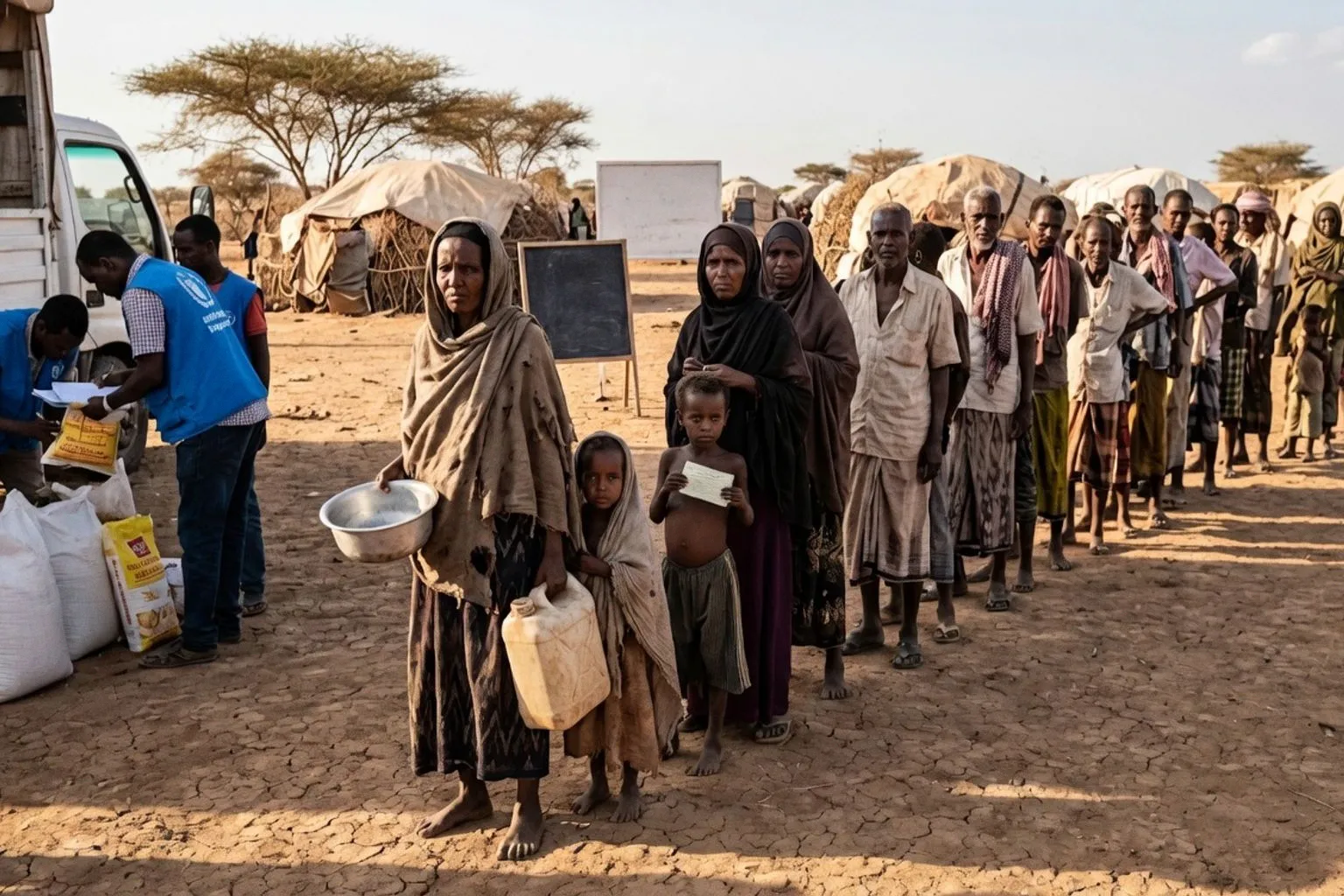
When the FAO and the World Food Programme released their joint Hunger Hotspots outlook for June through November 2026, the figures landed with the weight we have come to expect from these reports, but they also carried a quieter message for every cooperative we know tending orchards and packing houses here in Lebanon. Thirteen countries and territories were flagged for deteriorating acute food insecurity, with Sudan, South Sudan, Yemen, and Palestine named as the most critical hotspots. Northeast Nigeria and Somalia joined the list, and the scale of need described in the outlook is the kind of reminder that pulls our attention back to what every link in a fresh-produce value chain is really working toward.
What the Report Shows, in Plain Terms
The outlook period runs from June through November 2026 and identifies where food insecurity is expected to worsen sharply, places where early action can still bend the curve. According to the assessment, Sudan continues at the top of the list, with around 19.5 million people, roughly 41 percent of the population, facing high levels of acute food insecurity through May 2026, and about 5 million people in Emergency conditions. South Sudan follows closely, with projections of about 7.8 million people, or 55 percent of the population, facing Crisis-level or worse outcomes between April and July 2026, and roughly 2.5 million in Emergency conditions.
Yemen remains among the most severe food crises globally, with earlier estimates projecting 18.3 million people facing Crisis-level or worse conditions, representing more than half of the population covered by the analysis, and around 5.5 million in Emergency conditions. The Gaza Strip carried a risk of Famine through mid-April 2026, with about 1.6 million people acutely food insecure, 77 percent of the analyzed population, and more than half a million in Emergency conditions. In northeast Nigeria, Borno State was singled out for serious risk, with around 15,000 people projected to face Catastrophe-level food insecurity between June and August 2026.
Why This Matters to Our Cooperative Tables
We sit in a part of the world that watches these numbers carefully, not as distant statistics but as neighbors along the same supply corridors. When hunger hotspots light up across our region, the ripple reaches our packing lines, our freight schedules, and our conversations with buyers who suddenly have very different questions about continuity and risk. The report's framing, that a hunger hotspot is a place where early action can prevent the worst outcomes, is the same logic we apply every season when we negotiate cold-chain timing or calibrate our grading standards for distant markets.
For our growers, the practical takeaway is not charity or alarm but stewardship. Food systems that fail in one corner pull at the seams everywhere. Each crate of crisp, blemish-free apples or perfectly sized stone fruit we manage to move efficiently through quality control, through the cold chain, and onto a refrigerated truck is a small act of resilience in a global picture that the FAO and WFP have just mapped for us in stark terms. The standards we hold ourselves to, the coordination between sorting, storage, and shipment, the way we share responsibility across the cooperative, these are the habits that keep food moving even when pressure builds elsewhere.
What to Watch Through the Season
Three threads are worth keeping in our field notes through the rest of 2026. First, how regional logistics adjust as humanitarian demand rises, and whether that creates new openings or friction for commercial fresh-produce exporters routing through the same ports and corridors. Second, how buyer specifications evolve, since heightened awareness of food security tends to sharpen questions about traceability, residue compliance, and consistency of supply, areas where our cooperatives already have real strengths to show. And third, how our own internal coordination holds up under whatever the second half of the outlook period brings, because the report's message about early action is one we can apply just as well to our harvest planning as to humanitarian response.
The world's hungriest places are not abstractions for any of us who work the land. They are a reminder that food security is built crate by crate, shipment by shipment, cooperative by cooperative, and that the collective effort we tend together here travels further than any of us can see from the packing house floor.