Black Sea Grain Conflict: How Escalating Port Strikes Impact Lebanese Produce Exports
The grains market just lit up another flare, and it landed on your freight lane. Russia's Foreign Ministry accused Ukraine of hitting the Black Sea port of Novorossiysk, Ukrainian authorities…
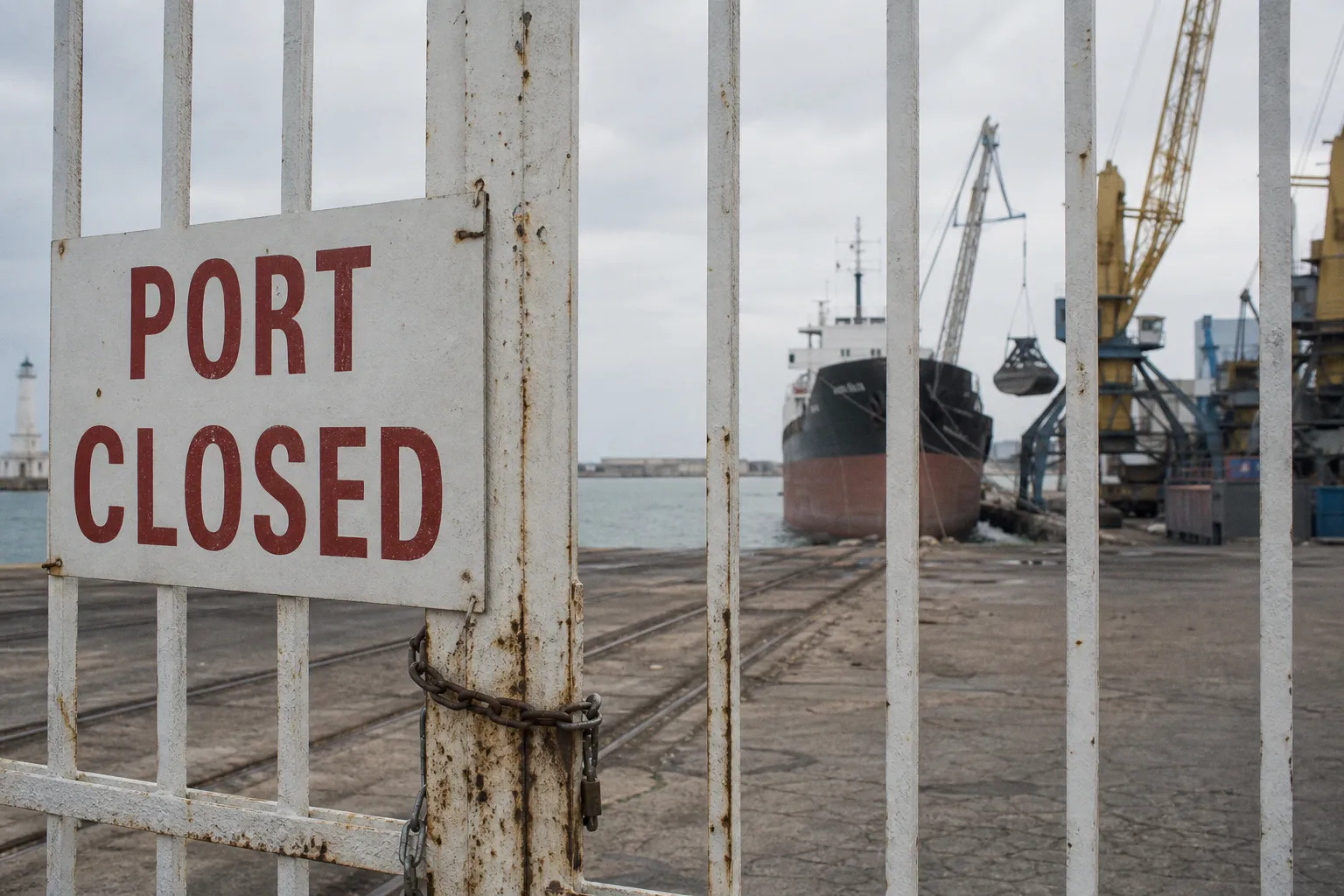
The grains market just lit up another flare, and it landed on your freight lane. Russia's Foreign Ministry accused Ukraine of hitting the Black Sea port of Novorossiysk, Ukrainian authorities reported Russian strikes near Izmail overnight, and Ukraine's agriculture ministry says grain shipments fell 76% in the first two weeks of August versus the same period last year. Grain futures moved sharply the same session. For Lebanese fresh produce exporters, the signal isn't about wheat directly — it's about the freight cost, insurance premium, and competing-supply pressure that follows any Black Sea shock within 10–14 days.
Black Sea shockwave and what it means for the Mediterranean reefer lane
- War-risk and bunker surcharges move first. Any Black Sea escalation pulls war-risk premiums and pushes container lines to re-route. Even on a Beirut–Jeddah citrus lane, a 5–8 day transit window shift is realistic if vessels get funneled via the Cape or through transshipment hubs.
- Grain competes for the same reefer slots. Bulk grain and high-value produce both chase limited port and equipment capacity. When terminals at Novorossiysk or Izmail go offline, tonnage gets reshuffled — your booking confirmation isn't a guarantee until the box is loaded and the B/L is issued.
- Soft-commodity inflation compresses produce demand. Rising wheat and feed costs cut into household spending in import-dependent markets across the Gulf and Sub-Saharan Africa. Bracket buyers thin out first; premium SKUs feel it within one cycle.
The EU MRL tightening that could reshape your buyer list
On a separate track, the EU's Joint Research Centre modeled what happens if maximum residue levels for banned pesticides on imported food are pushed to the limit of quantification. The intermediate scenario projects roughly an 8% drop in EU agricultural imports, with table grape prices climbing about 6.5% and citrus about 5.6%. The worst-case read in the study: a 41% drop in EU imports and price spikes up to 82% for citrus. Eighteen active substances covering 235 commodities across 86 exporting countries sit in the model. The Commission hasn't decided yet, but the study is already in buyer conversations.
Lock this down this week
1. Logistics review with your forwarder. Confirm Q3 and Q4 bookings carry firm load windows. Get written re-routing and contingency protocols in case Black Sea transit collapses further.
2. Pull residue data per cooperative. Audit the full agrochemical input list across every active grower block. You need to know which actives are already under EU MRL scrutiny before the rule lands.
3. Diversify the buyer mix. If your lane tilts EU-heavy, open conversations now with Gulf and African importers. Price swings cut both ways — early positioning wins shelf space.
4. Track grain futures daily. A sustained wheat rally pulls freight and packaging costs higher within two weeks. Lock rates on pending containers before the next charter window opens.
Grain shocks and EU pesticide rules read like global headlines — but they land on the packing-house floor. Move both into your operational plan before the next vessel sails.