Water Resilience Strategies: Lessons from UK Aquifer Recharge and Precision Irrigation Trials
Defra's Farming Blog, the UK government is funding two farm-level trials through its Farming Innovation Programme that could carry transferable lessons for water-stressed Mediterranean agriculture…
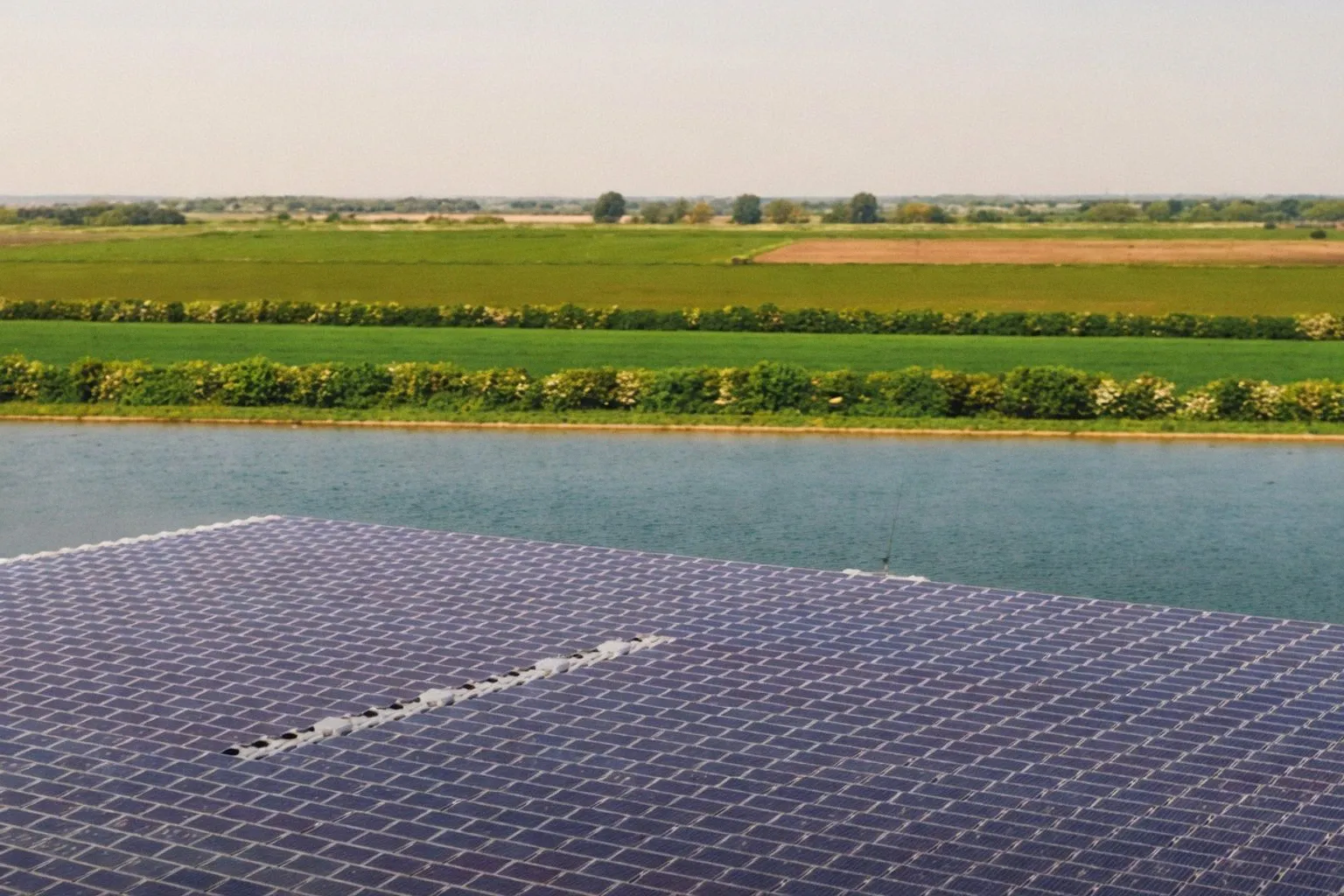
Defra's Farming Blog, the UK government is funding two farm-level trials through its Farming Innovation Programme that could carry transferable lessons for water-stressed Mediterranean agriculture, including cooperatives in Lebanon navigating their own drought pressures. The details outline a Managed Aquifer Recharge (MAR) trial at William Kerr Farms in Suffolk and a precision irrigation project spanning Cambridgeshire and Suffolk, both engineered to stretch scarce water without compromising yield.
Underground storage as a capital expenditure alternative
The MAR trial targets a familiar investment problem for cooperatives weighing on-farm water infrastructure: conventional reservoirs carry high capital costs and continuous evaporation losses, particularly across dry summer months. The Suffolk project redirects winter river flow into underground aquifers, storing water beneath the root zone and extracting it during peak crop demand. The result is stored volume without consuming productive land — an efficiency delta that reads directly on a cost-per-cubic-metre-stored calculation.
Defra notes the technique has been deployed successfully in drier climates globally but remains rare in the UK due to distinctive geological conditions. The trial's primary output is operational data: extraction rates during peak demand cycles, construction costs per unit volume, and the commercial viability benchmarks needed for wider farm deployment. For Lebanese cooperatives evaluating underground storage against surface alternatives, the same engineering variables apply — aquifer recharge capacity, seasonal extraction capacity, and capital outlay relative to reservoir construction.
Grid-scale precision over uniform application
The parallel project with Waldersey Farms in Cambridgeshire and Elveden Estate in Suffolk segments fields into 20×20 metre management zones, layering soil composition data, crop growth stage metrics, and weather inputs to apply variable-rate irrigation. Conventional hose-reel systems deliver uniform water volumes regardless of soil variability across a field, routinely over-saturating heavier soils while leaving sandy patches under-watered.
Defra cites research attributing yield losses of 10–20% to this drainage imbalance. The advanced system's projected returns are water and energy savings of 20–25%, with yield gains as the secondary benefit. The two-season trial is explicitly designed to verify those figures under operational field conditions rather than extrapolated estimates.
The audit baseline before any capital commitment
Both UK projects are structured around comparative measurement: treated versus control yields, conventional versus precision water volumes, reservoir versus MAR capital expenditure. Any cooperative considering similar infrastructure should run the same audit logic before procurement. Map soil variability across each plot, meter current water use per hectare per crop, and quantify the per-tonne cost of over- or under-watering across the most recent three to five seasons. The ADOPT-funded trials will publish operational data across two growing seasons — that timeline gives cooperatives a defined window to establish their own baseline metrics and produce a defensible ROI calculation before committing capital.