Managing Livestock Health Risks: Lessons from the Qaroun Outbreak
As reported by Daily Beirut, an illness affecting cows in Qaroun has prompted a reaction from agricultural authorities — a reminder that herd health and market confidence travel the same road, from…
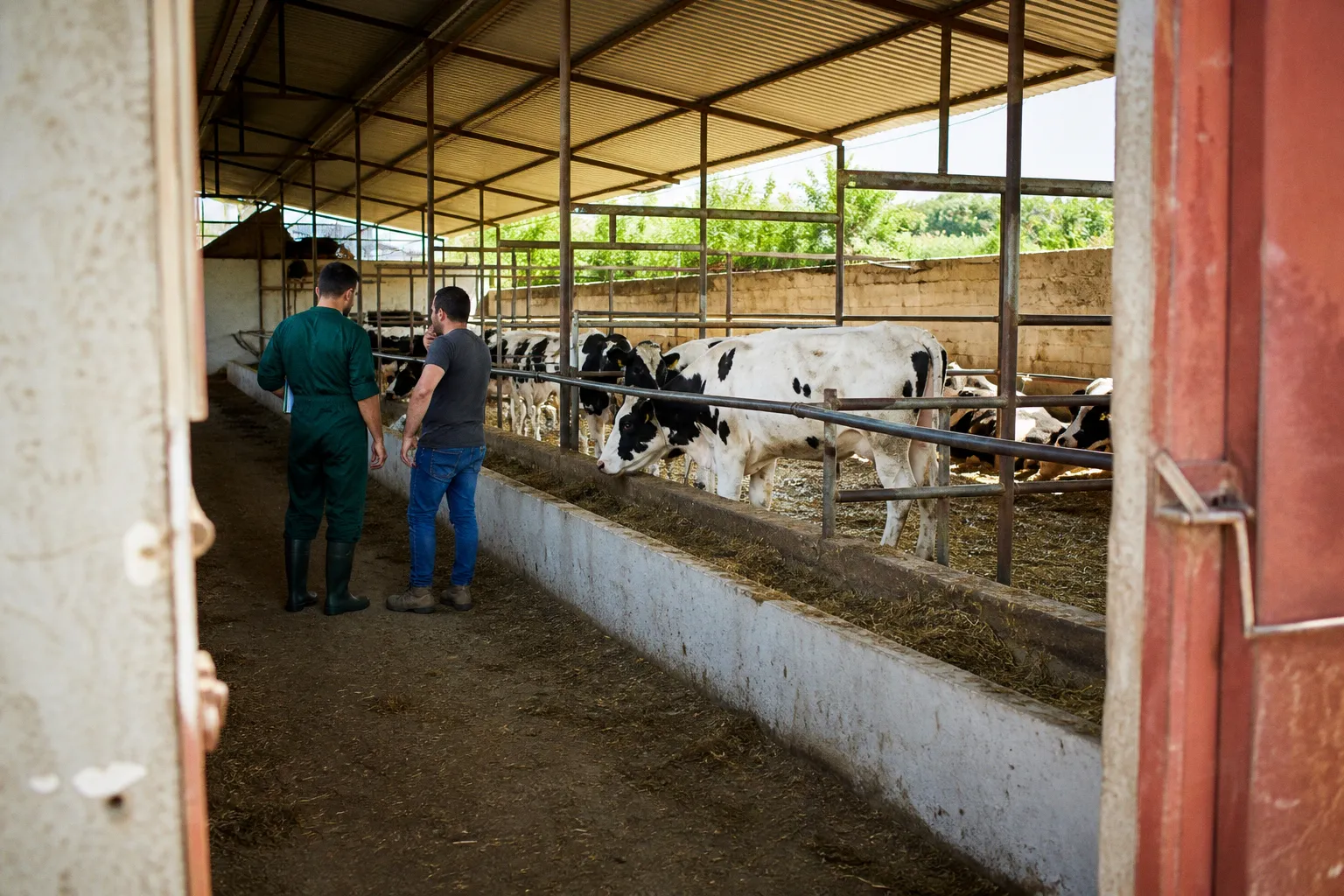
A livestock health concern in the farming community of Qaroun has drawn an agriculture-sector response, and for our cooperative networks across the country, the signal is worth sitting with. As reported by Daily Beirut, an illness affecting cows in Qaroun has prompted a reaction from agricultural authorities — a reminder that herd health and market confidence travel the same road, from the barn floor to the export crate. Right now, our work is to keep our own houses in order while the fuller picture comes together.
What the reporting tells us
The coverage from Daily Beirut points to a cows illness in Qaroun and an agriculture-side response, though the details reaching us through the wire are still thin. For our grower and dairy cooperative members, that thinness is itself the first practical point: when a story like this lands without a clear, cooperative-ready brief, it is our job — not the headlines — to turn it into a checklist we can actually act on together. A livestock event in one village can ripple quickly into questions about the wider regional supply, especially for cooperatives selling into markets that ask, sometimes within hours, whether the milk and meat they receive is safe and traceable.
What our cooperatives can do this week
Even before the full picture comes into focus, there are a few steps we can walk through together, the way we always do when a regional risk touches the herd:
- Watch the cooperative channels first. Before forwarding a worrying headline, check whether your union or the local agricultural office has issued guidance. Cooperative briefs travel faster than rumor when we pass them along promptly.
- Document animal health at the farm gate. A simple daily log — feed intake, milk yield, any visible changes in the animals — gives a cooperative a ready record if authorities request data, and protects the rest of the network from being lumped in with an isolated case.
- Trace the supply side openly. If your cooperative collects from multiple farms in the area, ask calmly and clearly which farms are part of the reported cluster. Honest sourcing keeps the whole market from being painted with one brush.
- Prepare the buyer conversation. Export partners and local processors will ask questions. Having a clean, factual update ready — sourced from the agricultural response and from your own farm records, not from social chatter — keeps our market position steady and our reputation intact.
The road we walk together
We have seen this pattern before in our cooperative work: a localized animal health event becomes, almost overnight, a question about the reliability of the wider supply. The agriculture response now underway in Qaroun is the right kind of news, because it means the situation is being met with structure rather than silence. Our part, as always, is to share what we know generously with our partners, protect the growers and herders who are doing the careful, daily work, and make sure that when the next brief comes, we are already a step ahead. The collective harvest we are building is stronger than any single scare — and it is built, day by day, in exactly this kind of steady, cooperative response.