Managing Chemical Risks: New Safety Protocols for Lebanese Agricultural Zones
Lebanese ministries have begun clarifying how expired chemicals at facilities in Zouk and Jieh are being handled, according to recent reporting from local outlets.
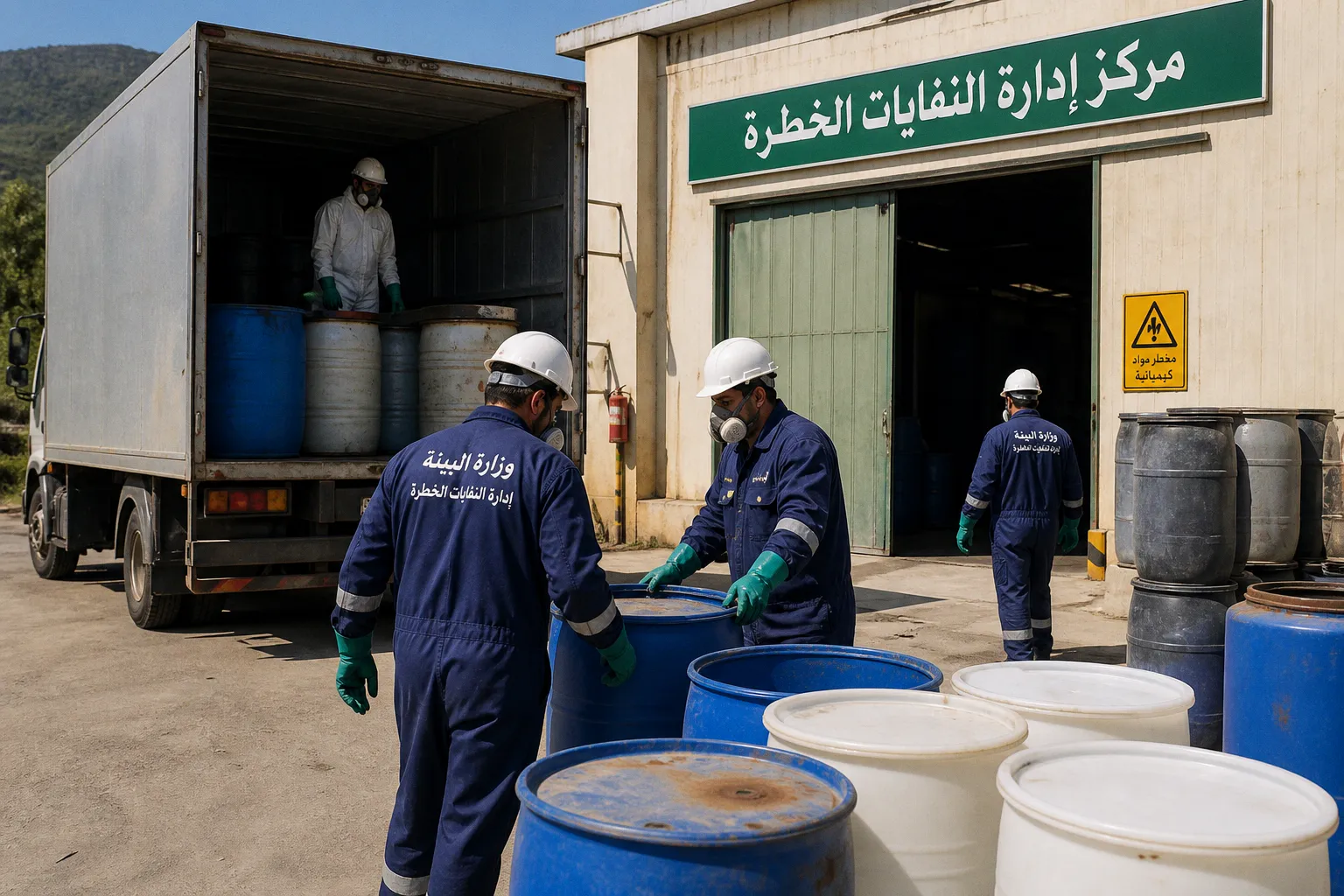
For our grower cooperatives, this is a moment worth pausing on, because even when the headlines point to municipal infrastructure, the questions about chemical storage and water safety ripple directly into the fields we tend and the buyers we serve.
The Clarifications, In Plain Terms
Recent coverage from local outlets notes that ministries are spelling out the safety procedures tied to expired chemicals at the Zouk and Jieh plants. The framing from these reports centers on what protocols are in place, what storage conditions apply, and what oversight is being exercised over materials past their approved use date. The details available so far are slim, but the signal is unmistakable: there is a coordinated push to address expired chemicals rather than leave the question drifting in rumor. That kind of clarity, when it comes from ministries rather than the grapevine, is exactly the kind of grounding our cooperatives need before we make confident decisions downstream.
Why This Touches Our Fields
We tend to talk about export markets in the language of blemish-free apples, crisp lettuces, and yields that meet EU sizing standards. What we talk about less, but rely on just as much, is the integrity of the water flowing through our irrigation channels. When expired chemicals sit in municipal facilities, even temporarily, the questions multiply quickly on our side of the fence: How are they stored? Where might runoff travel? What testing is happening at the catchment points our cooperative members draw from? Our Lebanese harvest only carries the trust of international buyers if every link in the chain is sound, and a ministry clarification on chemical handling is, in a real sense, a clarification on the conditions under which our produce is grown. It is the kind of news we would rather hear about openly than discover quietly at the packing house door.
What Our Cooperatives Can Do This Week
Even without a full picture of the Zouk and Jieh situation, there are practical steps our cooperatives can take in the coming days to stay ahead of the conversation. Walk through your own chemical stores with a notebook and mark anything past its expiry, noting its condition and planning disposal through approved channels rather than letting old stock linger. Send a short written request to your local water authority for the latest testing results on any catchment or irrigation source near municipal facilities, and keep the message on record. Reach out to your packhouse or export partner with a brief note acknowledging that you are tracking the broader chemical safety conversation, so they hear from you before they hear a rumor. And when a clarification reaches your cooperative, pass it along to neighboring groups, because we are stronger when information flows the same way our harvests do — together.
The ministries are doing their part by clarifying procedures. Now it falls to us, in our orchards and packing houses, to do ours: to check, to document, and to keep our collective reputation as clean as the fruit we put on the truck.