Lebanon-UAE Agricultural Pact Moves from Policy to Practical Field Contracts
According to Daily Beirut, the Chouf visit marks the first practical step in turning the promises of the Lebanese-UAE forum into contracts our farmers can actually feel in their soil and their ledgers.
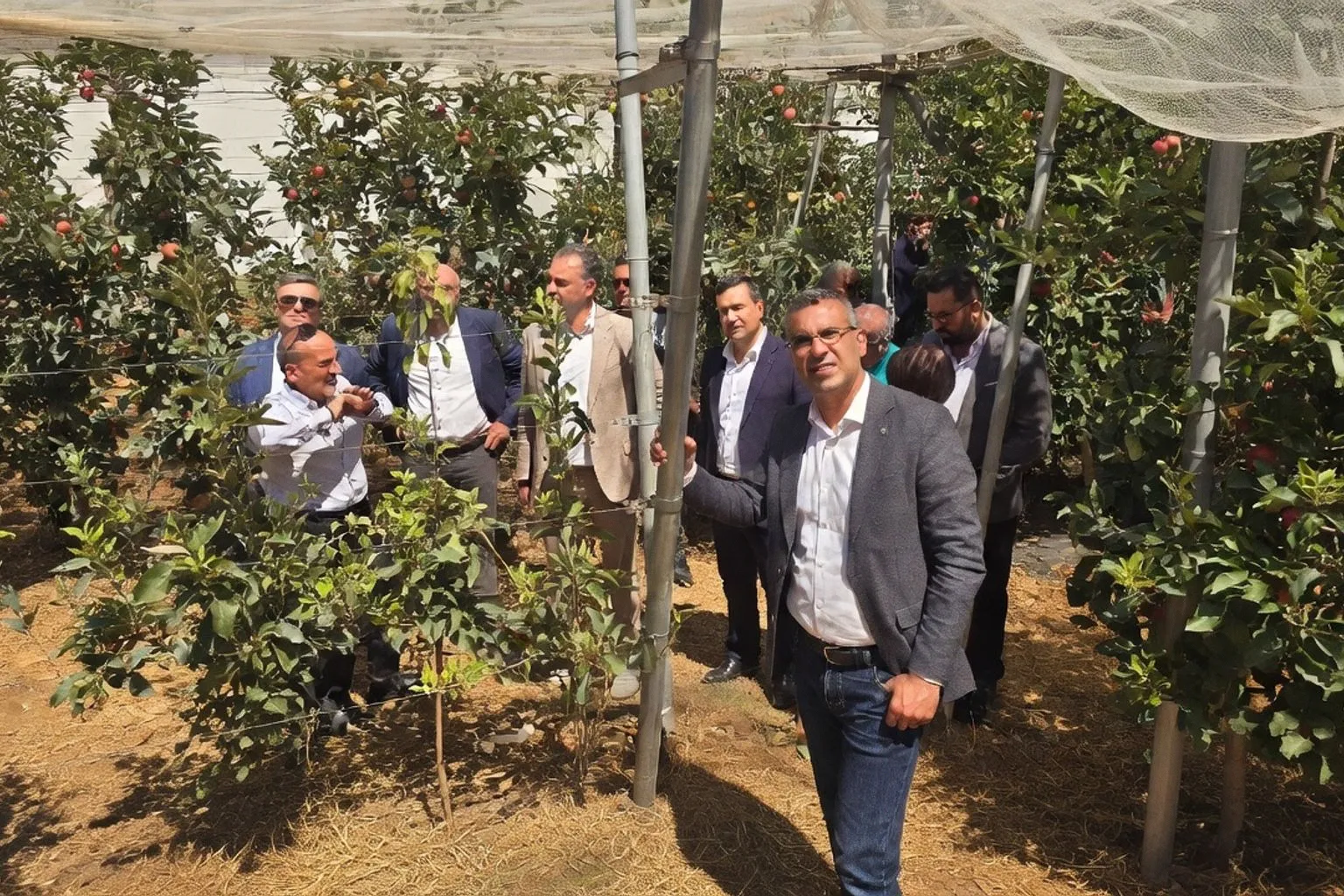
When Lebanon's Minister of Agriculture Nizar Hani walked through the orchards of Briej, he wasn't just touring — he was rolling up his sleeves alongside the growers who feed our tables. According to Daily Beirut, the Chouf visit marks the first practical step in turning the promises of the Lebanese-UAE forum into contracts our farmers can actually feel in their soil and their ledgers. For our cooperative communities, this is the kind of follow-through that has been too rare — and too necessary to let slip by unnoticed.
From Forum Talk to Field Work
For our growers, the most encouraging piece of this story isn't the headline — it's the shift from discussion to dirt-under-the-fingernails work. Hani's tour began in Briej, where he sat down with the mayor, council members, farmers, and local stakeholders to talk through what Chouf's agricultural sector actually needs to compete. Then came the stop that has our cooperative communities buzzing: a visit to the model farm of Majid Al-Ally, where an advanced apple cultivation system is already rewriting what a single dunam can produce.
We have heard the numbers before in conference rooms, but seeing them on the ground is different. Traditional methods in the area yield around two tons per dunam; Al-Ally's intensive, modern-variety approach is delivering between eight and twelve tons — and in some blocks, pushing close to thirteen. That gap is the difference between a season our growers endure and a season they plan for, between fruit that gets sold at the gate and crisp, blemish-free apples that travel.
Planning the Harvest Before It's Planted
The afternoon brought everyone to the Mountain Market, where the conversation turned to the heart of what contract farming really demands: pre-defined varieties, quantities, specifications, and quality standards — agreed before the first sapling goes in. Engineer Kamil Al-Ghassani, president of the Chouf Municipalities Union, joined cooperative representatives and producers from across the region to map out how farmers and buyers build durable, transparent relationships rather than scramble each harvest for whoever shows up with a truck.
This is where our collective effort matters most. When we move from production pushed into the market and hope to planned production rooted in actual demand, we cut waste, lower costs, and give our growers the breathing room to focus on what they do best. The working group stressed that a coordinated model also reduces marketing risk for smallholders and strengthens the ability of Lebanese produce to compete in UAE, Gulf, and global markets at once.
What We're Watching Together
The Ministry has committed to monitoring this path intensively and replicating what works across other Lebanese regions. For our cooperatives, the practical takeaway is straightforward: the next few weeks are when the framework agreed at Mountain Market either becomes real contracts or another set of slides. We'll be watching for the first signed agreements, the quality protocols that actually get written down, and whether training and advisory support reach the small and mid-sized growers who need it most. If we keep showing up — as growers, as cooperatives, as a community that believes in this work — the Chouf visit can become the template that finally moves Lebanese produce from promise to shipment.