Lebanon Honors 120 Volunteers for Crisis Coordination and Shelter Support
Lebanon's Ministry of Social Affairs, working alongside the European Union and the United Nations Development Programme, has formally recognized 120 coordinators and volunteers who supported…
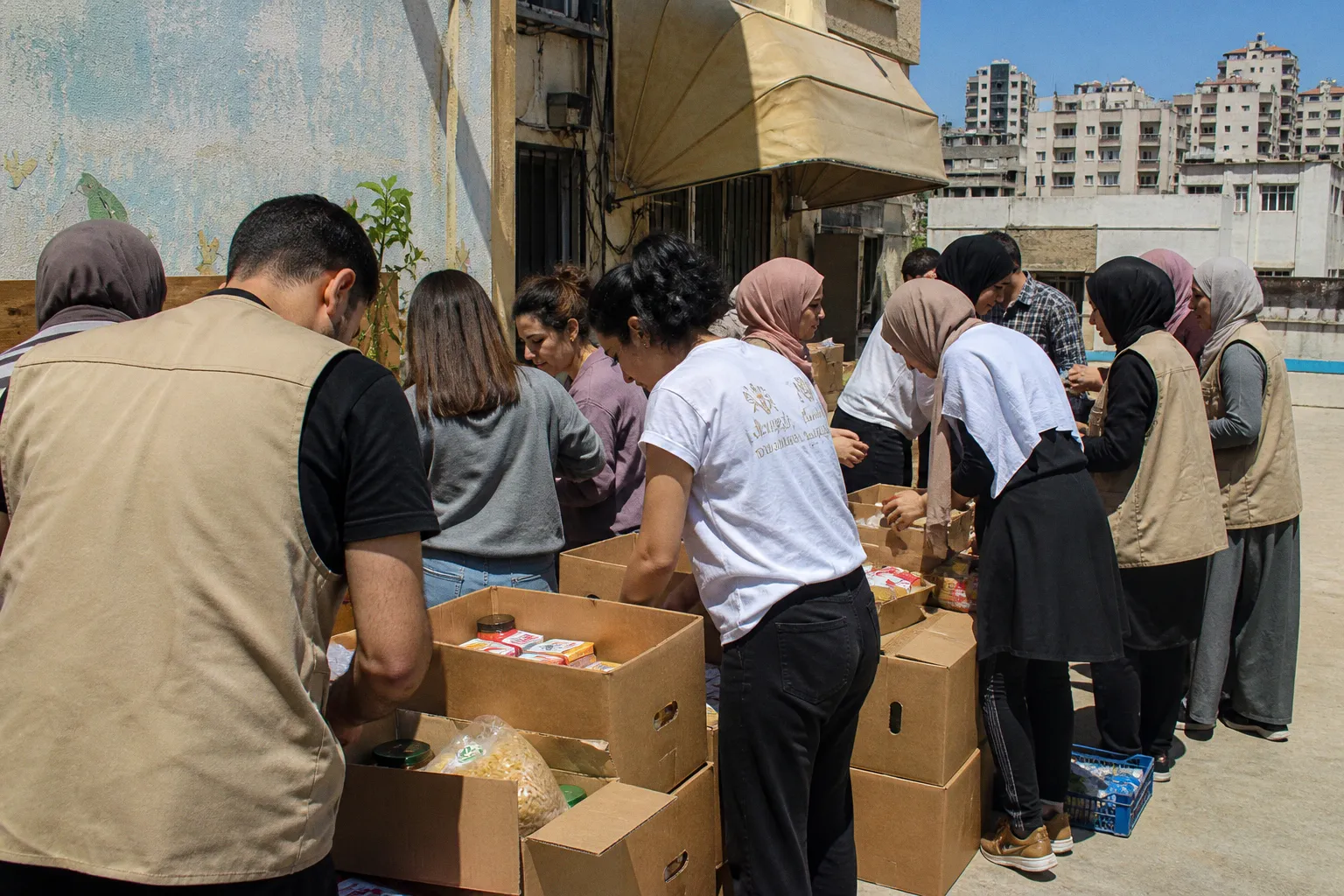
Lebanon Recognizes 120 Coordinators and Volunteers for Supporting Displaced Families
Lebanon's Ministry of Social Affairs, working alongside the European Union and the United Nations Development Programme, has formally recognized 120 coordinators and volunteers who supported internally displaced families during the country's March 2026 conflict escalation, according to fundsforNGOs News. For our grower community, the moment carries a quiet lesson we already know by heart — trained, coordinated people are the real infrastructure of any resilience story, and the same capacity-building logic that keeps a collective shelter running can keep a harvest running too.
What the recognition covered
The honor came at the close of a capacity-building programme designed to sharpen coordination across 154 collective shelters in Beirut and to ready the Ministry for future emergencies. The EU funded the work; UNDP and the Permanent Peace Movement helped carry it out. Coordinators, social workers and volunteers were trained to respond to residents' needs, connect displaced families with available services, and keep shelters operating safely under difficult conditions. A ceremony in Beirut drew government officials, EU and UNDP representatives, the Lebanese Red Cross, the Lebanese University Task Force, development partners and shelter personnel — and all 120 honorees received certificates of completion.
Why this matters for our cooperative work
Many of the families who passed through those shelters come from the rural and peri-urban communities our packing houses and grower groups depend on. When displacement scatters a workforce, the crisp, blemish-free, high-yield harvest our export buyers expect becomes harder to deliver; when coordination brings that workforce back intact, our sorting tables run on time. The model on display here — train local people, give them clear roles, back them with institutional and donor support — is the same shape as a well-run cooperative, and a quiet reminder that our export story stands or falls on the people we have taken the time to invest in.
The recognition also sits inside a wider regional picture. UNDP's reporting on the climate, gender and displacement nexus across Iraq, Jordan, Lebanon and Yemen points in the same direction: resilience is built person by person, shelter by shelter, harvest by harvest — not handed down from above.
What to watch and act on now
A few practical things our cooperatives can take from this moment:
- Track the EU's next Lebanon programming cycle. The same funding stream that trained shelter coordinators has historically supported cash assistance and services for people with disabilities — both of which intersect with farming households. Watch for partnership calls that include rural recovery.
- Map who in your network was displaced in March 2026. Knowing which members passed through collective shelters, and which services reached them, gives us real evidence to bring into the next funding conversation.
- Borrow the curriculum. The Ministry's coordinator training — clear responsibilities, service-mapping, safety protocols — translates cleanly into cooperative governance training, especially for groups managing shared cold storage, grading or collective marketing.
- Show up to the next convening. The recognition ceremony gathered the Lebanese Red Cross, the Lebanese University Task Force and development partners in one room. Our cooperatives belong in that conversation, not on its margins.
We have always believed that the strength of a harvest is the strength of the hands behind it. The 120 coordinators honored in Beirut are proof that this principle travels far beyond the field — and a reminder that the next crisis will find us only as prepared as the people we have taken the time to train.