Extreme Heat and Drought Patterns Signal Shifts for Lebanese Harvests
As the European Commission's Joint Research Centre reports sharply reduced yield forecasts for summer crops across much of western and central Europe, our cooperative members across Lebanon are…
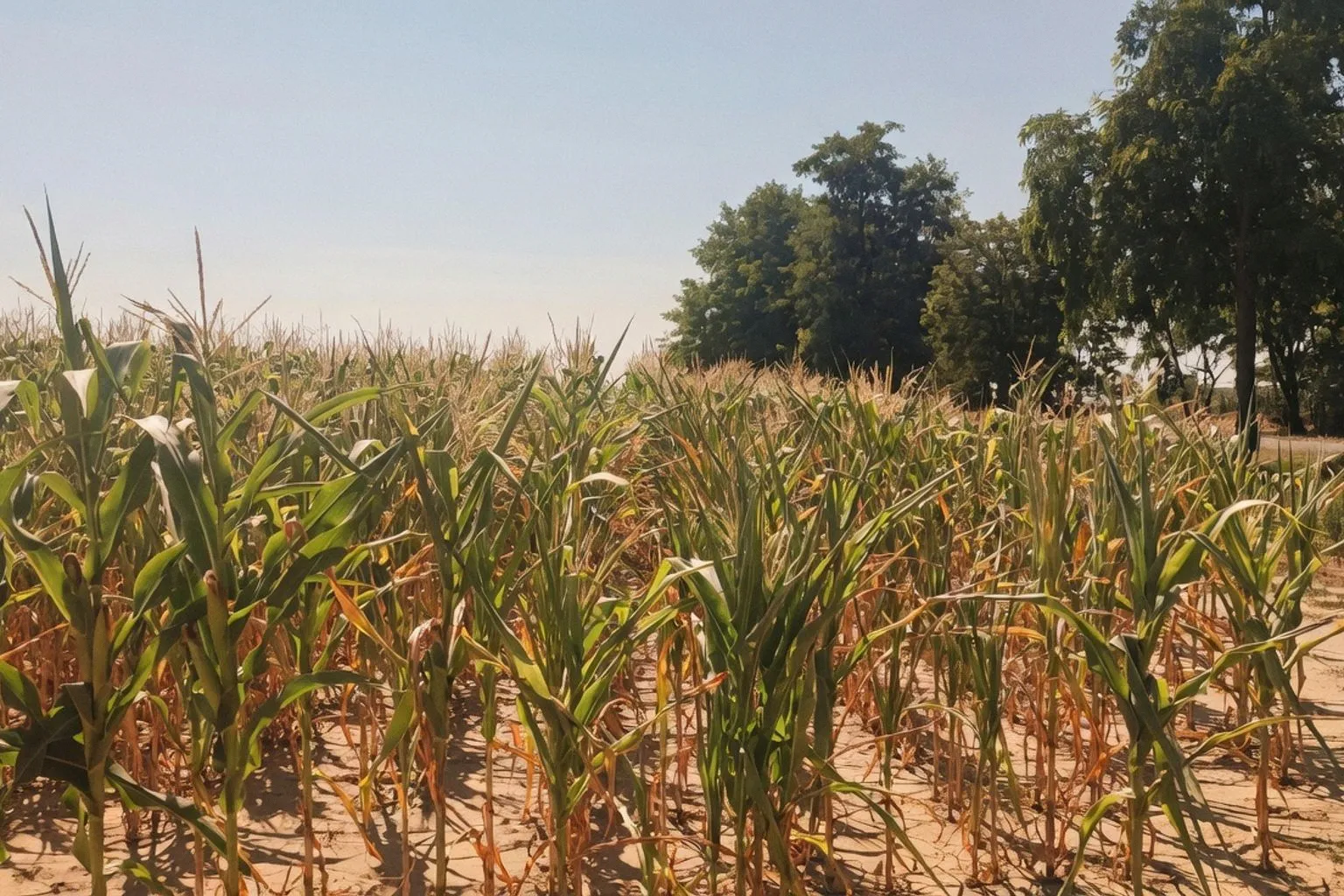
As the European Commission's Joint Research Centre reports sharply reduced yield forecasts for summer crops across much of western and central Europe, our cooperative members across Lebanon are asking a familiar question: what does weather on the other side of the Mediterranean mean for our harvest?
Persistent heat and exceptional water deficits have stressed maize, sunflowers, and soybeans, with EU-wide forecasts now running up to 14% below the five-year average. The JRC notes that impacts range from moderate yield reductions to severe losses, with crop failure likely in the worst-affected regions. Grassland productivity and pasture availability have also declined markedly, raising concerns about fodder supply across the continent.
Why our growers should pay attention
We share more than a coastline with Europe. The same high-pressure systems that parch French maize and Spanish sunflowers can settle over the Beqaa Valley just weeks later, and when European fodder supplies tighten, livestock and dairy markets across the Mediterranean feel the ripple. That, in turn, shapes input costs for our growers and the competitive landscape for our apples, stone fruit, and table grapes heading into the autumn shipping window.
For our fresh produce cooperatives, the practical signal here is not panic but positioning. When supply tightens anywhere in our wider export region, buyers widen their sourcing map, and the cooperatives that consistently deliver crisp, blemish-free fruit through reliable cold chains are the ones whose names get called first. Preparation, not opportunism, is what turns a difficult season abroad into a steadier one at home.
What to verify on the ground this week
- Soil moisture in your orchards, especially younger plantings. The JRC notes that cooler, wetter conditions may finally arrive across western Europe — too late for their grain maize, but a useful reminder that relief can come late for us too.
- Irrigation reservoir levels and shared pumping schedules. If your cooperative shares wells, agree now on rotation cuts before any August heat spike rather than after the pressure builds.
- Conversations with export partners. Reach out and ask what volumes they expect to source in the coming months and what grading or documentation they are tightening. Early commitments protect our growers far better than spot-market scrambling.
- Fodder and feed costs for any cooperative members running livestock alongside produce. Rising European fodder prices tend to reach our region within a quarter, and forward contracts now can save real money in October.
The shared lesson from this season is one we already know: standardization, timing, and trust between our growers and our buyers are what carry us through a difficult year. Europe's shortfall is not our opening to exploit. It is our reminder to prepare.