Why Lebanon’s Legalized Cannabis Industry Remains Stalled for Farmers
According to The Beiruter, Lebanon legalized cannabis cultivation in 2020 but has still not issued a single cultivation license six years later.
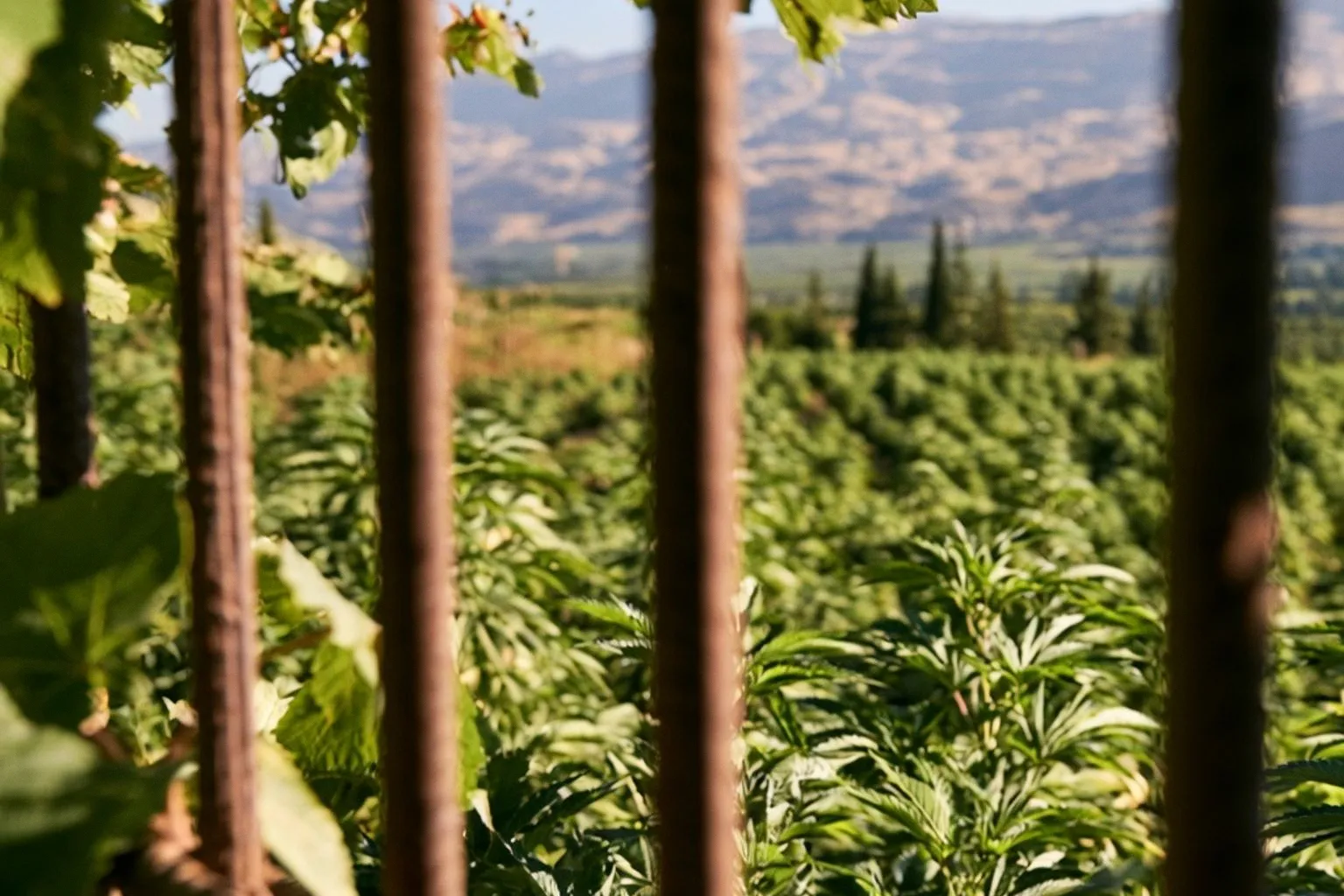
The regulatory framework remains stalled by implementation failures, leaving interested farmers outside the legal system. For agricultural cooperatives, the story is less about a crop waiting in the fields than about the missing bridge between legislation and a workable market.
A law without a route to market
Legalizing cultivation was supposed to create a formal pathway for farmers, but that pathway has not opened. Without licenses, growers who are interested in entering the regulated sector have no confirmed legal mechanism through which to do so.
That gap matters because a legal agricultural industry is not built by legislation alone. Cooperatives need a clear process that tells them where applications go, which authority handles them, and when a decision can be expected. They also need confidence that participation will lead to a lawful relationship with the wider value chain rather than leave them exposed to another period of uncertainty.
For our growers, the practical signal is straightforward: the existence of a law should not be treated as proof that a functioning market exists. Until licenses are actually being issued, the sector remains an announced opportunity rather than an operating one.
The cooperative question
A regulated crop requires more than individual farmers preparing land and seed. It depends on shared organization: groups that can coordinate production, document participation, and respond collectively when public procedures finally become available.
That is where cooperatives could become important, even before cultivation begins. Local groups can map interested growers, keep transparent membership records, and agree on shared standards for field information and crop handling. They can also designate one person to monitor official licensing developments and report back to members, so that each farmer is not left to navigate an unclear process alone.
This work does not replace a government license, and it should not be presented as a substitute for the missing framework. It simply gives communities a stronger starting point. When a formal route opens, a cooperative that already knows who its growers are and how responsibilities are shared will be better placed to respond than a collection of isolated applicants.
The same principle applies to market planning. Before committing resources, cooperatives should separate what is legally available now from what has merely been promised. A crop may have commercial potential, but without licensing, the ability to sell through approved buyers or connect with formal export channels cannot be assumed from the evidence available here.
What to watch next
The most important development is not another statement of intent, but the first verifiable movement in implementation: the issuance of a cultivation license. Until that happens, the central question remains whether Lebanon can turn its approved reform into a functioning system.
Our cooperatives should watch for clear public confirmation that licensing has begun, rather than relying on the law’s existence alone. They can also ask practical questions through their representative bodies: Is there an active application route? Which public institution is responsible for decisions? Are farmers being given consistent information about how to participate?
Those questions are modest, but they are essential. Transparent answers would give growers something solid to organize around; continued silence would leave the sector in the same place—legally recognized in principle, yet unavailable in practice.
For Lebanon’s agricultural communities, the lesson reaches beyond cannabis. A law can open a door, but only institutions, farmer organization, and accountable implementation can make that doorway usable. Our collective task is to be ready with clear records, shared responsibilities, and a realistic understanding of what has—and has not—been built.