Syria Grants Three-Month Reprieve on Agricultural Loan Repayments
As reported by Syria Today, Syria's finance and agriculture ministries have announced a three-month extension for the repayment of defaulted agricultural loans, a move aimed at easing financial…
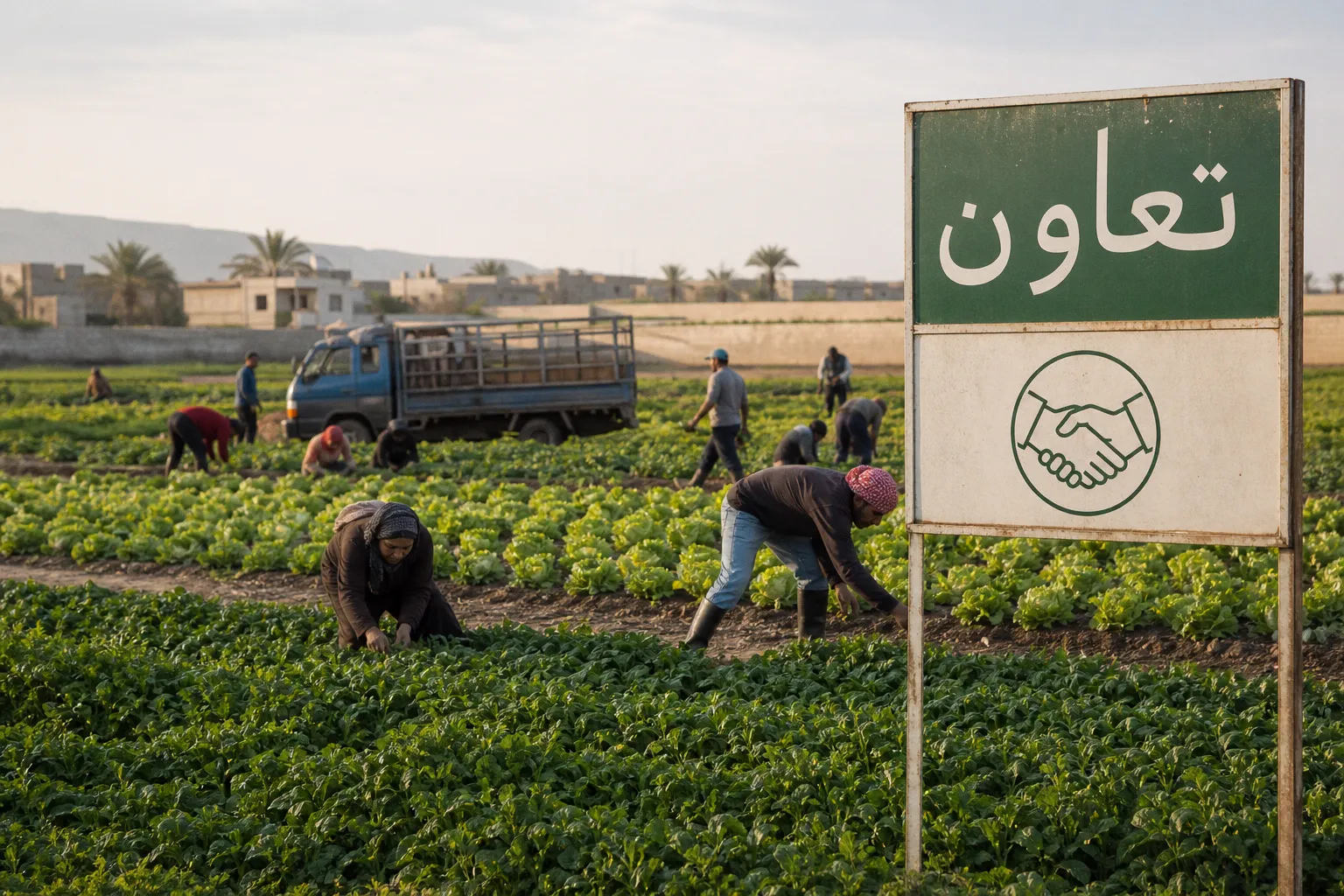
As reported by Syria Today, Syria's finance and agriculture ministries have announced a three-month extension for the repayment of defaulted agricultural loans, a move aimed at easing financial pressure on farmers grappling with rising production costs. For our grower cooperatives across Lebanon, this regional signal is more than a headline next door; it's a reminder of how fragile financing can make or break a harvest season, and how quickly policy decisions reshape the ground our farmers stand on.
What the measure actually covers
Syria's two ministries — finance and agriculture, working together — are giving farmers who have defaulted on agricultural loans an additional three months to settle what they owe. The stated goal is straightforward: relieve the squeeze from economic challenges and the climbing cost of putting food on the vine, in the field, and at the packinghouse. No new capital is being injected here, but the clock is being paused, and for growers stretched thin, time is often the most valuable input of all.
Why this matters to our cooperatives
We have all sat around the same table and watched a member's eyes drop when loan season comes due. A missed payment isn't just a ledger entry — it's the difference between pruning next season's trees and watching them go untended. When a neighboring country extends repayment windows, it tells us something important: the conversation about farmer debt relief is alive across the region. Our own cooperative leaders can use this moment to revisit internal lending terms, ask whether our schedules match our harvest cycles, and bring member voices into any conversation with local banks or development partners.
While we're thinking regionally, it's worth noting that South Korea's National Agricultural Cooperative Federation has also rolled out emergency support for farmers hit by prolonged heat waves — combining financial aid, crop damage mitigation, and medical support for rural communities. Different climate, different crisis, but the same cooperative instinct: when members are hurting, the institution moves.
What to watch and do this week
- Audit your loan calendar. Map every member's repayment due date against their expected harvest cash flow. Where the gap is widest, that's where a conversation — not a collection notice — needs to happen first.
- Document the ripple effect. Note how input costs (fuel, fertilizer, packaging, transport) have shifted in the last quarter. If Syria's ministries cited rising production costs, our own ledger likely tells a parallel story, and documentation is what unlocks future support.
- Open the channel with your bank. Whether you're restructuring a single loan or negotiating terms for the whole cooperative, this is the moment to start the conversation, not the week before a deadline.
- Compare notes with neighbors. Reach out to cooperatives in the Bekaa, Akkar, and the South. Shared pressure is the first step toward shared solutions — and our collective voice carries further than any single grower's.
A three-month extension in Syria won't directly rewrite any Lebanese balance sheet. But the spirit behind it — choosing to lighten the load rather than tighten it — is exactly the kind of thinking our cooperatives need to bring to their own tables this season.