How Cooperative Farming Models Drive Local Agricultural Independence
When we hear that a farmers' cooperative is opening new doors for its members—as Radio Televizioni Shqiptar reports from Kolonja, Albania—it's a reminder that the cooperative model keeps proving itself in different corners of the world.
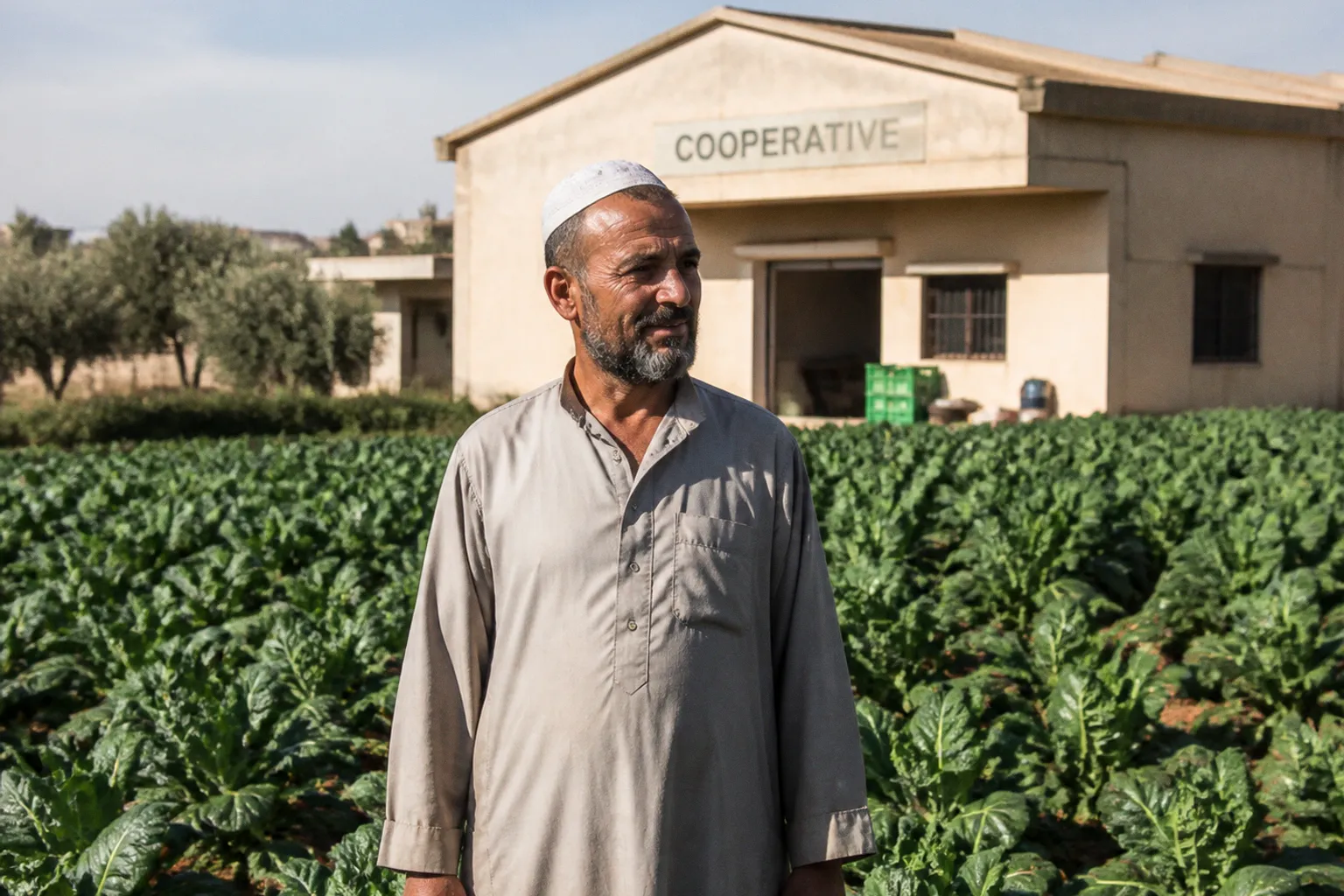
But what does that kind of self-reliance actually look like on the ground? A detailed report from South Sudan's Resilient Agricultural Livelihoods Project (RALP) offers a concrete blueprint: cooperatives and farmer groups building their own seed systems, cutting dependence on imports, and turning surplus into income.
From imported seeds to local ownership
For years, farmers across South Sudan relied on imported seeds that often arrived after the rainy season had already begun—too late for proper planting and devastating for crop productivity. Through RALP, implemented by the Ministry of Agriculture and Food Security with FAO support, the shift is happening at the community level. The project promotes Quality Declared Seed production and Farmer-Led Seed Enterprise models, training local groups to multiply, certify, and store their own seed.
The project has supported the establishment and training of 13 County Seed Quality Control Boards, strengthening oversight where it matters most—close to the growers. Between 2023 and 2025, 286 certified seed producer groups produced 1,740 metric tons of Quality Declared Seed—nearly three times the estimated seasonal requirement of 618 metric tons. The resulting surplus of 1,122 metric tons was valued at about $1.2 million, according to a World Bank report. That's not aid dependency; that's a cooperative marketplace taking root.
Seed trade fairs now connect local producers directly with farmers ahead of planting season, giving growers access to affordable, climate-adapted seeds while providing seed producers with reliable markets for their products.
Women leading, private companies joining
One of the most striking shifts is in leadership. Women now hold 45 percent of leadership positions in seed producer groups and make up more than half of organized farmer group members. Training and participation in seed enterprises are strengthening their economic empowerment and their role in local decision-making—a pattern we'd love to see replicated closer to home.
Private companies are also entering the picture. Five companies initially supported to produce foundation seed are now working with farmer groups to purchase and distribute locally produced seeds, expanding access beyond areas directly supported by RALP. The Omdurman Farmers' Cooperative in Aweil East County expanded its cultivated land from five to 24 acres within three seasons, producing more than 3.6 metric tons of sesame and groundnut seed. "We no longer wait for seeds from outside Aweil," cooperative member Kiir Lual Kiir told the World Bank.
What this means for our cooperatives
For Lebanese agricultural cooperatives navigating export standards, logistics, and global market demands, the South Sudan model carries a practical lesson worth sitting with. Building local capacity for quality control—whether it's seed certification or post-harvest handling—doesn't require waiting for external systems to arrive. Trade fairs connecting producers directly with buyers, quality boards with local oversight, and surplus-to-income pipelines are all tools cooperatives anywhere can adapt to their own context.
As the Kolonja headline reminds us, new opportunities don't just appear—they're built through collective effort. The question for our growers isn't whether the cooperative model works, but which piece of the supply chain we're ready to own next.