Strengthening UK Fresh Produce Supply Chains Through Collaborative Risk Management
Food & Drink Technology reports that the Fresh Produce Consortium has launched a platform to help businesses identify, assess, and mitigate risks across the UK fresh produce supply chain.
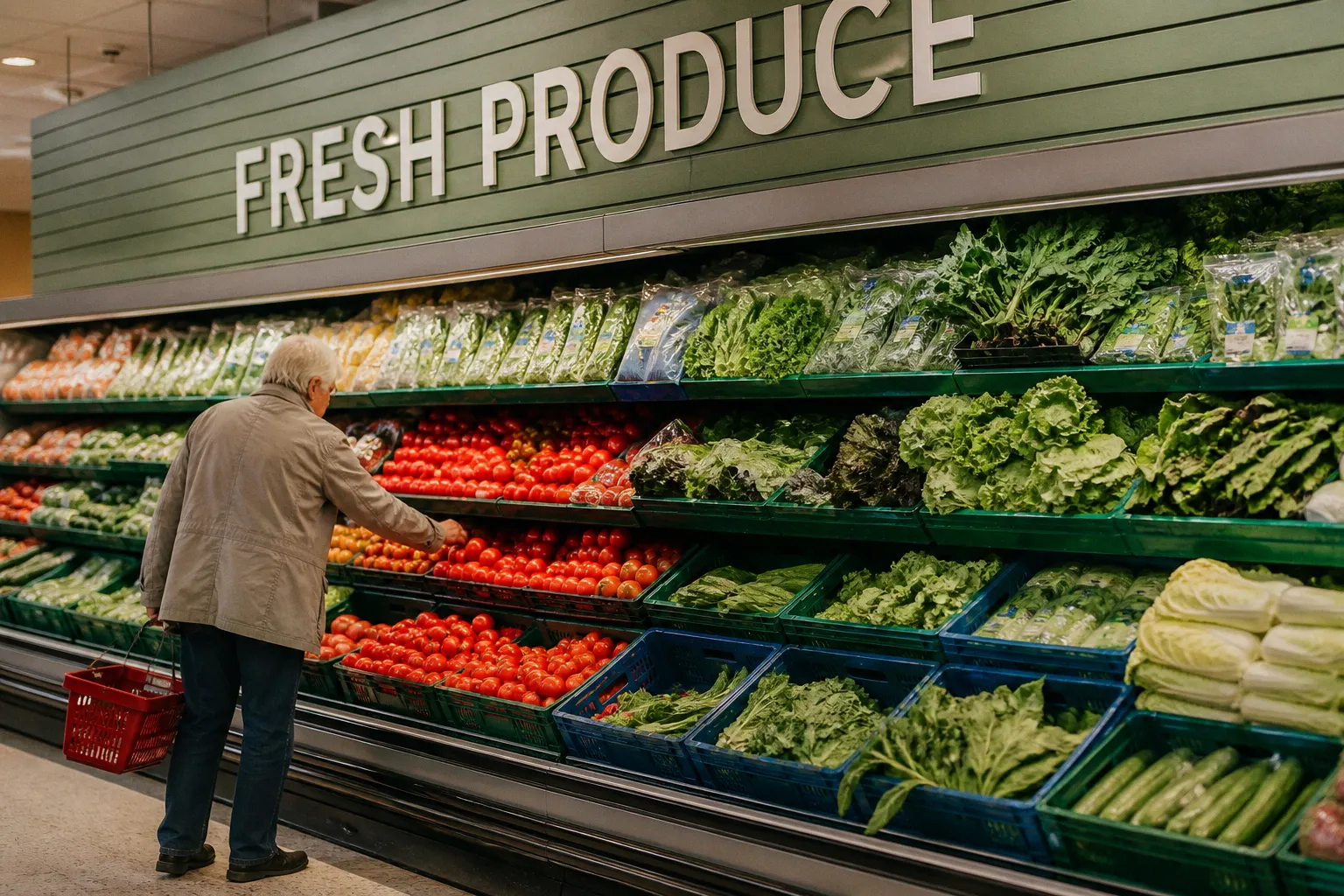
The initiative responds to pressures including climate change and geopolitical disruption, while a separate Fruitnet report points to a possible £1.9 billion boost for British farms if the UK increases domestic production. For our growers and cooperatives watching the UK market, the message is practical: resilience is becoming part of the supply conversation, alongside crisp quality, reliable volumes, and blemish-free presentation.
Risk management is becoming a shared task
A cooperative preparing produce for an international buyer can no longer treat supply-chain risk as something that happens only after harvest. The new platform’s purpose—identifying, assessing, and mitigating risks—offers a useful framework for organizing the work we already need to do together.
That means bringing growers, packers, logistics partners, and market-facing organizations into the same conversation. Where could climate-related disruption affect the crop? Which steps depend on a single route, supplier, or timing window? What happens if geopolitical conditions disturb transport or availability?
The value of this approach is not in producing another long document that sits on a shelf. It is in assigning responsibility clearly. Our growers can review production and quality risks; packing teams can examine grading, storage, and dispatch; cooperative leaders can keep an updated view of market and logistics exposure. Even without the platform’s detailed operating features being available in the information reported, its central direction is clear: risks should be visible early enough for the group to act.
The UK is also looking inward
Fruitnet reports that increasing domestic fresh produce production could add £1.9 billion in value to British farms and reduce the UK’s reliance on imports. That potential shift matters to exporters because it points to a market working to strengthen its own supply base, rather than depending on imported produce in the same way across every category and season.
This does not mean that overseas suppliers become irrelevant. It does mean that cooperatives entering or serving the UK market should pay close attention to what buyers may value most: dependable delivery, consistent specifications, and the ability to explain how the group manages disruption.
For Lebanese cooperatives, this is a useful moment to compare our collective systems with those expectations. Are size and grade definitions shared across the group? Can we present one clear quality standard instead of several individual interpretations? Do we know which part of the chain carries the greatest risk when weather or transport conditions change?
These questions are modest, but they lead to practical improvements. A shared produce specification, a simple risk register, and a regular check-in before the export season can make the cooperative easier to understand and easier to work with.
What cooperatives should track next
The immediate task is not to predict every shock. It is to build a clearer picture of our exposure and decide which improvements can be made collectively.
Start by recording the risks that could affect a shipment from field to buyer, then rank them by likely effect on freshness, timing, cost, or acceptance. Review whether more than one person knows each critical step. Finally, keep the conversation connected to the market: if UK buyers are seeking greater supply resilience while domestic production expands, our offer must be presented through evidence of coordination, not individual promises.
The Fresh Produce Consortium platform signals a broader change in the language of fresh produce trade. Risk management is moving closer to the centre of commercial planning, and that gives cooperatives an opportunity. When we standardize quality, share information early, and organize responsibility across the group, we do more than protect one shipment—we build the steady, trusted supply relationships that help our harvest travel further.