Navigating Agricultural Crisis: Supporting South Lebanon’s Tobacco Farmers Amid Conflict
As LBCI Lebanon reports, tobacco farmers in southern Lebanon are struggling to hold on to their livelihoods and harvest their crops, as ongoing conflict and displacement severely disrupt the region’s agricultural season.
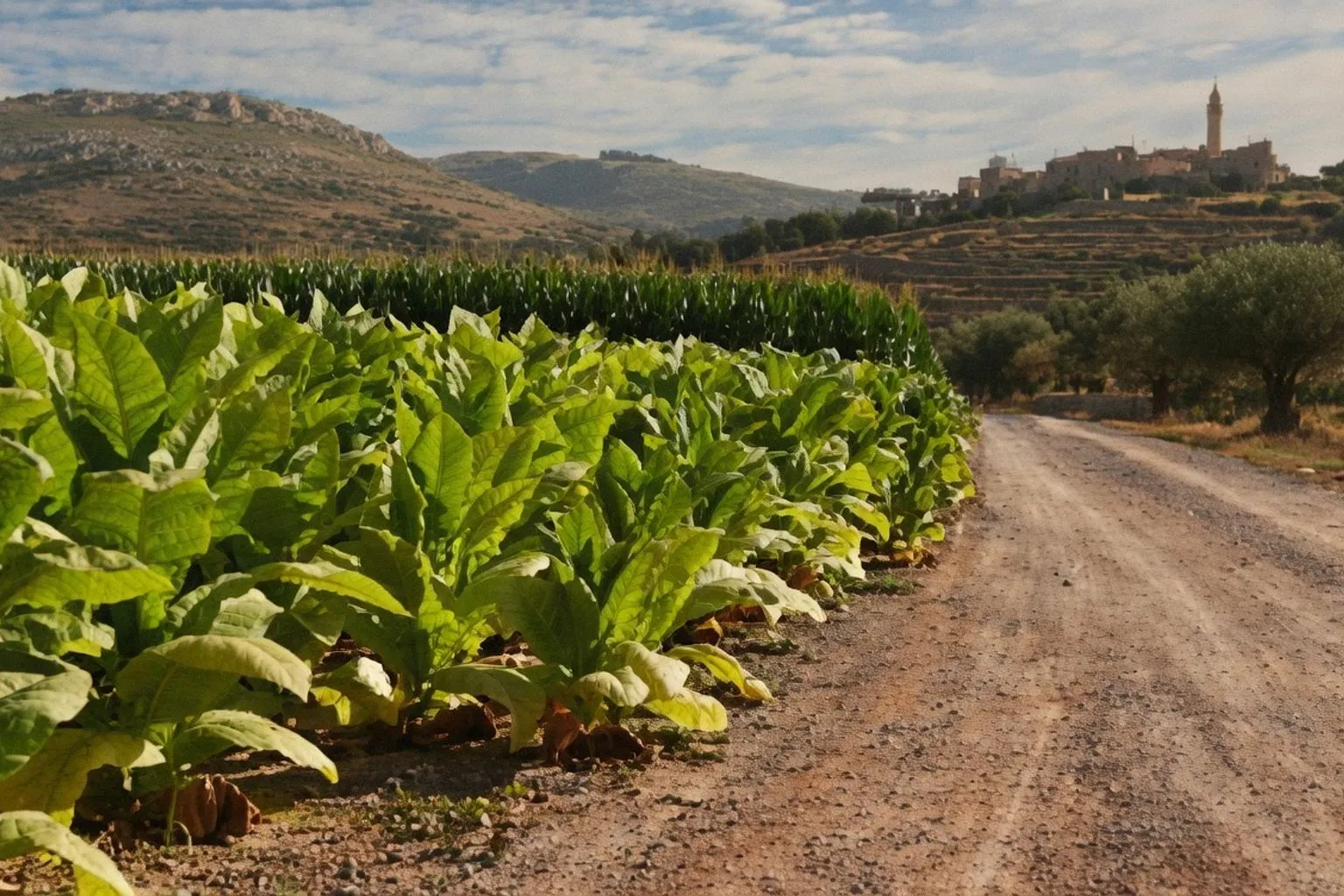
A report from the Next Century Foundation adds wider context: it says conflict in southern Lebanon damaged 22.5% of agricultural areas and displaced more than 6,593 farmers, while olive production fell 91% and olive oil prices rose 50%. For Lebanon’s agricultural cooperatives, the immediate challenge is not simply to recount a difficult season but to keep members aligned around what is confirmed, what needs verification, and what support can be shared. That is especially important when a local tobacco problem is placed beside wider figures that may sound related but do not describe the same crop.
One harvest, two kinds of evidence
The tobacco report gives us a clear starting point: farmers are trying to harvest, but conflict and displacement are disrupting the season. The olive figures answer a different question. They describe the reported scale of damage to agricultural areas, farmer displacement, and the olive sector; they are not a tobacco harvest forecast, nor do they establish a figure for tobacco yield, quality, or market timing.
That distinction is useful for our growers. A cooperative brief should keep the tobacco situation in its own lane, then place the Next Century Foundation’s numbers in a separate note about regional pressure, rather than allowing one statistic to stand in for another crop’s reality. We can be empathetic about the wider loss without pretending the evidence is more specific than it is.
A shared response begins with a small record
For a cooperative, the first practical step is to create one short, shared record of the season as members actually experience it. A useful format can be simple: the crop, the stage reached, the immediate harvest concern, and the support requested. Each member contributes what they can verify; one person consolidates the updates, and the group reviews them together. This keeps the response collective instead of asking each grower to solve the same problem alone.
The next step is to sort needs by urgency and capacity. The report tells us tobacco farmers are struggling to bring in their crops, but it does not tell us how many hectares are ready, how much labor is available, whether a buyer is waiting, or what assistance has already been promised. Those questions should stay open until the cooperative has direct member information. Until then, a group can still make a responsible plan around the needs it can confirm, assign a clear owner to each task, and avoid promising volumes, prices, or timelines that the available reporting does not support.
What to watch as the season develops
There are three checks that can keep a cooperative’s next update useful: first, whether members can confirm the current harvest position; second, whether the same needs appear across the group or require different responses; and third, whether any recovery claim identifies the crop, place, and source behind it. A report that says conflict has affected an agricultural area is not the same as a field report about an individual tobacco crop. Keeping those labels visible makes it easier for growers, cooperative leaders, and market partners to act on evidence rather than on a dramatic but incomplete headline.
The olive data deserves attention, but it should guide questions, not answers. The Next Century Foundation’s reported 22.5% damage, displacement of more than 6,593 farmers, 91% fall in olive production, and 50% rise in olive oil prices indicate broad pressure across southern Lebanon’s agricultural landscape. They do not, on their own, tell us what will happen to tobacco. The most grounded next step is therefore modest and collective: document the confirmed impacts, identify the missing facts, and make one shared decision at a time.
We cannot make a disrupted season predictable, but we can make our response more coordinated. A clear record, divided responsibilities, and honest labels for what we know and what we still need to learn keep our growers at the center of the plan, while giving the wider story the practical context it deserves.