Lebanon Unifies Soil Analysis Standards to Boost Agricultural Exports
's Ministry of Agriculture has rolled out a national framework designed to standardize how we sample, analyze and interpret our soils — and for our cooperatives, that quiet shift could change…
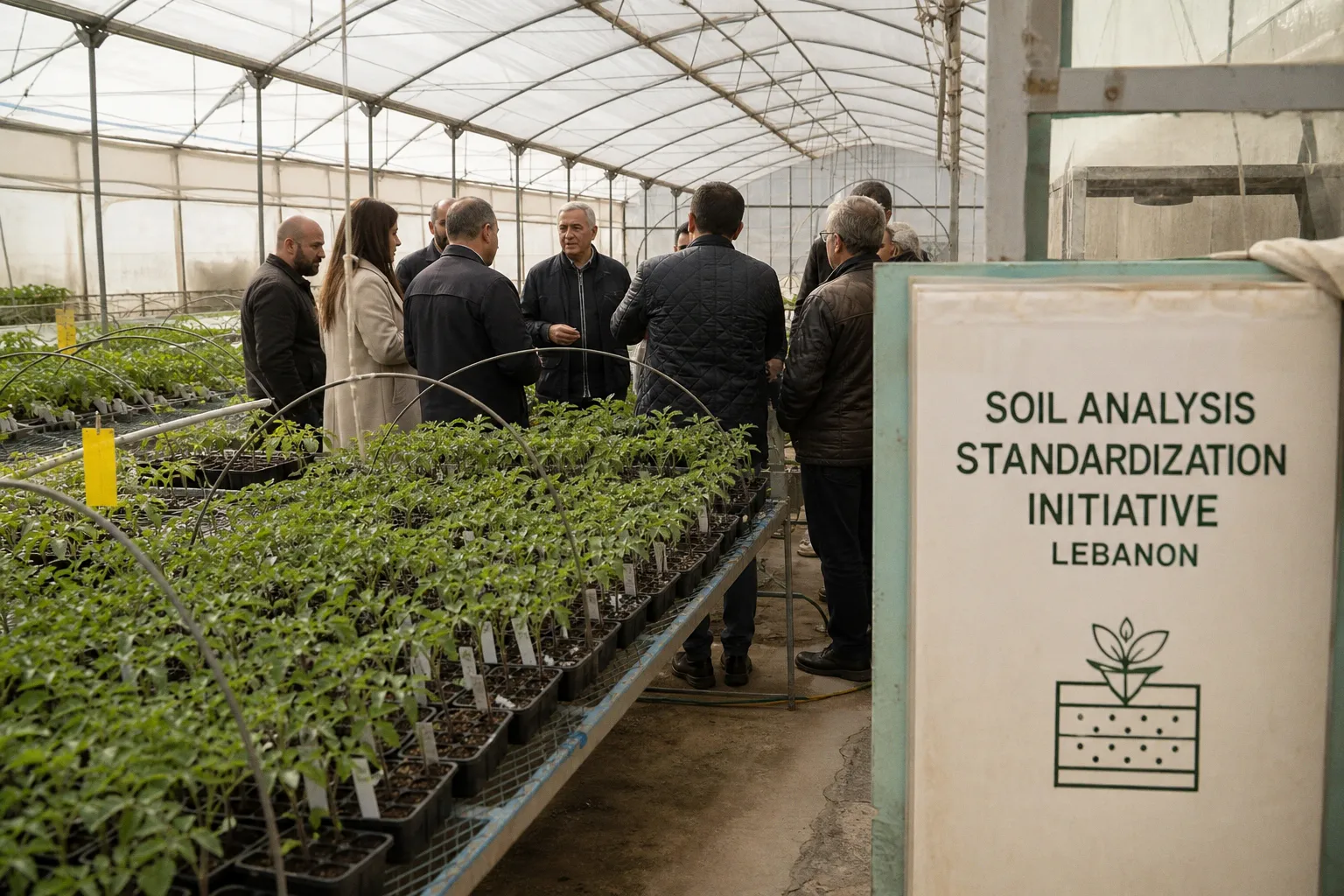
's Ministry of Agriculture has rolled out a national framework designed to standardize how we sample, analyze and interpret our soils — and for our cooperatives, that quiet shift could change everything about how we plan a season, pitch a harvest, or negotiate with buyers abroad.
According to the Ministry, Agriculture Minister Nizar Hani launched the initiative to support agricultural recovery, protect farmland and give growers across the country a shared evidence base for crop and soil management. Think of it as the missing common language our cooperatives have long needed: one method, one set of benchmarks, one foundation we can all stand on when we argue for fair prices or better terms.
What the framework actually brings to the field
For years, our growers have collected soil data in their own ways — some thorough, some improvised, all valuable but hard to compare. The Ministry's new approach aims to fix that. By unifying sampling and analysis protocols, Lebanon moves closer to the kind of traceable, documented soil story that export markets, certification bodies and serious buyers increasingly ask for. A blemish-free apple or a crisp head of lettuce is wonderful, but what truly opens doors overseas is the paperwork behind it. This framework gives our cooperatives a credible starting point to build that paperwork together rather than each on their own.
Why the timing matters — and what we've already seen on the ground
The framework arrives alongside a wider push from Minister Hani to walk our fields, not just talk from an office. During a recent tour through Jbeil and Batroun, he visited greenhouse and seedling-production sites, including a company applying Dutch-supported vegetable-grafting technology, and spent time with vineyard operations exploring how wine, tourism and rural value-added work can grow side by side. He also met with the Batroun municipalities union to review olive cultivation, forestry protection and the new fisheries law — the kind of cross-sector listening that gives a national framework real roots.
The tour also honored Nadine Khoury, recognized as the first president of the Koot cluster, a group of roughly 150 agricultural and food-industry companies. That moment matters more than it might seem: it signals that the Ministry sees aggregation — cooperatives and clusters working as one — as central to Lebanon's agricultural future, not an afterthought.
What our cooperatives can do this season
We don't need to wait for perfect implementation to start benefiting. A few steps worth taking now:
- Ask your cooperative's agronomist which soil-sampling method you currently use and whether it can be aligned with the Ministry's standard.
- Keep clean records of every sample taken this season — location, depth, date, crop. Future buyers will ask.
- Connect with neighboring cooperatives in your caza and compare notes. Unified data is stronger data, and shared evidence makes collective bargaining real.
Lebanon's soil has always carried the story of our harvest. Now, finally, we have a national effort to make that story legible — to ourselves first, and then to the world we're working to reach. The framework is a beginning, not an ending. How we, the growers and cooperatives on the ground, pick it up and put it to work will decide whether it becomes another policy on a shelf or the backbone of the next decade of Lebanese agriculture.