Lebanon’s 2027 Budget Proposal Targets Subsidized Loans for Agricultural Cooperatives
According to Daily Beirut, the minister also flagged that the draft includes "new elements that appear for the first time in the budget," signaling this credit line is part of a broader fiscal pivot…
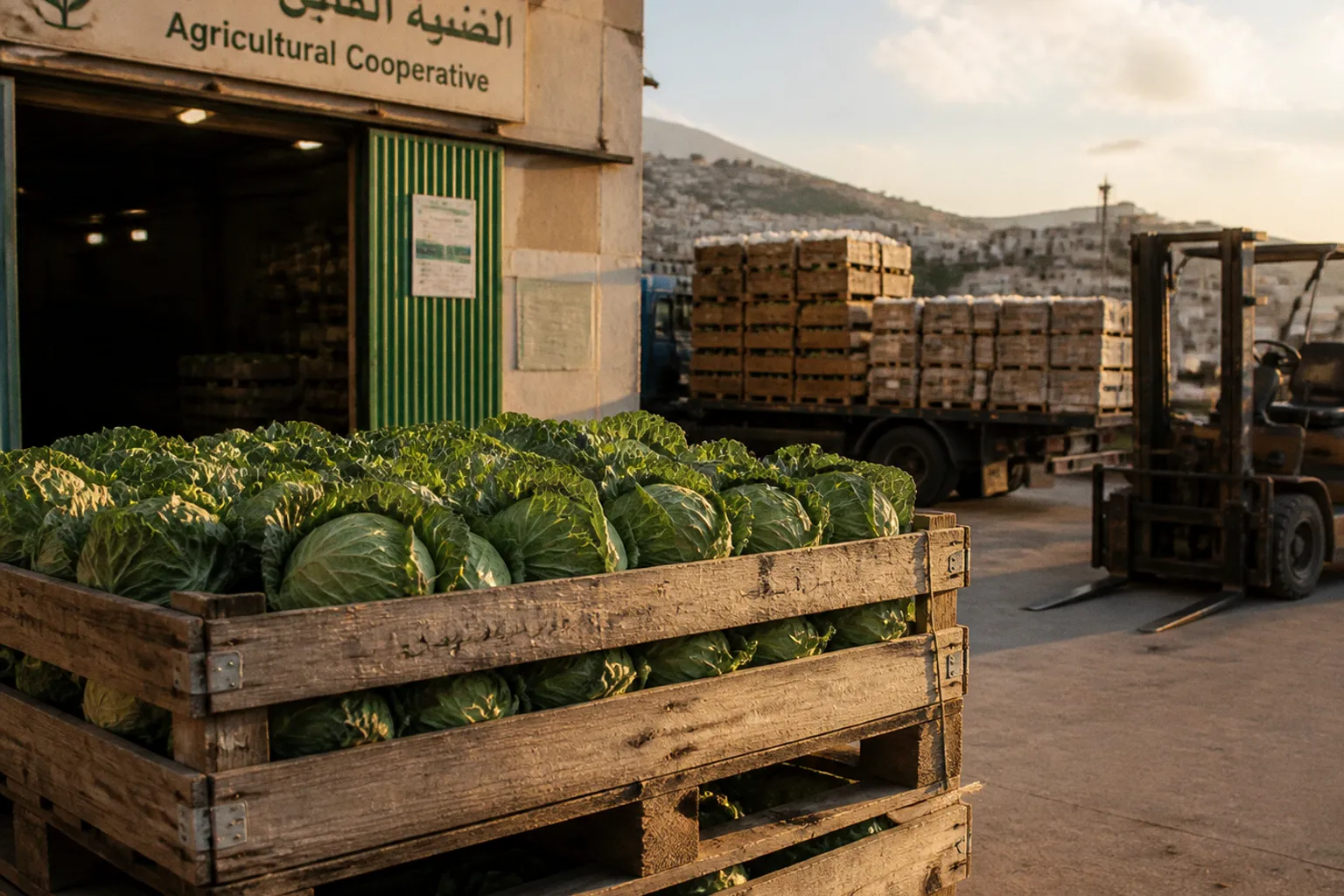
Finance Ministry Puts Subsidized Credit on the Table for Agriculture
Lebanon's Finance Minister Yaseen Jaber posted on X that the 2027 budget draft channels fresh funds through the Housing Fund — this time earmarked for low-interest, subsidized loans to the agricultural sector. According to Daily Beirut, the minister also flagged that the draft includes "new elements that appear for the first time in the budget," signaling this credit line is part of a broader fiscal pivot rather than a one-off allocation.
For cooperatives weighing pre-export investment — cold storage upgrades, grading lines, pack-house compliance, refrigerated truck deposits — subsidized working capital changes the math on every shipment window.
What This Means at the Loading Dock
- Cost of capital drops, if you qualify. A subsidized loan through the Housing Fund lowers the hurdle for capital expenditure that most cooperatives currently self-finance at commercial rates. If the financing terms land near single digits, the payback on a cold-chain upgrade or hydrocooler shortens dramatically against spoilage losses.
- Budget "firsts" are the real signal. Jaber explicitly called out first-time budget elements. Treat this as a directional shift: agricultural credit is moving from ministry talking points to line-item policy. Watch the full draft text for the actual allocation ceiling and whether cooperative entities are named as eligible borrowers.
- Lead time is your leverage now. Budget drafts take months to ratify, and implementation timelines slip further. If your cooperative has a capex pipeline — sorting equipment, palletization, GPS-tracked reefer vans — start pricing it now. Pre-approved project lists tend to move first when disbursement opens.
What Cooperatives Should Track This Quarter
- Eligibility perimeter. The announcement says "agricultural sector." Verify whether registered cooperatives, farmer unions, and post-harvest service providers qualify as direct borrowers, or only via intermediary agribusinesses.
- Interest floor and grace period. Subsidized can still mean double digits in Lebanon's lending environment. Pin the headline rate, tenor, and any grace period before planning around it.
- Disbursement vehicle. Funds flow through the Housing Fund — a non-traditional channel for farm credit. Confirm whether it operates direct lending, partner banks, or guarantee schemes, and map your documentation requirements accordingly.
- Compliance overlap. Any borrowed equipment still has to clear phytosanitary and buyer-side specs for EU, Gulf, and African markets. Capital without compliance just buys faster rejection at destination.
The bottom line for exporters: the credit window is opening, but the operational playbook — cold-chain integrity, transit windows, buyer specs — doesn't pause for parliamentary schedules. Lock your project list now, so you're first in line when the disbursement mechanism goes live.