How Lebanese Cooperatives Can Leverage the New SRAA Emergency Cash Program
Our farming families haven't been waiting for the world to notice their struggle — they've been working through it, season after season, field by field.
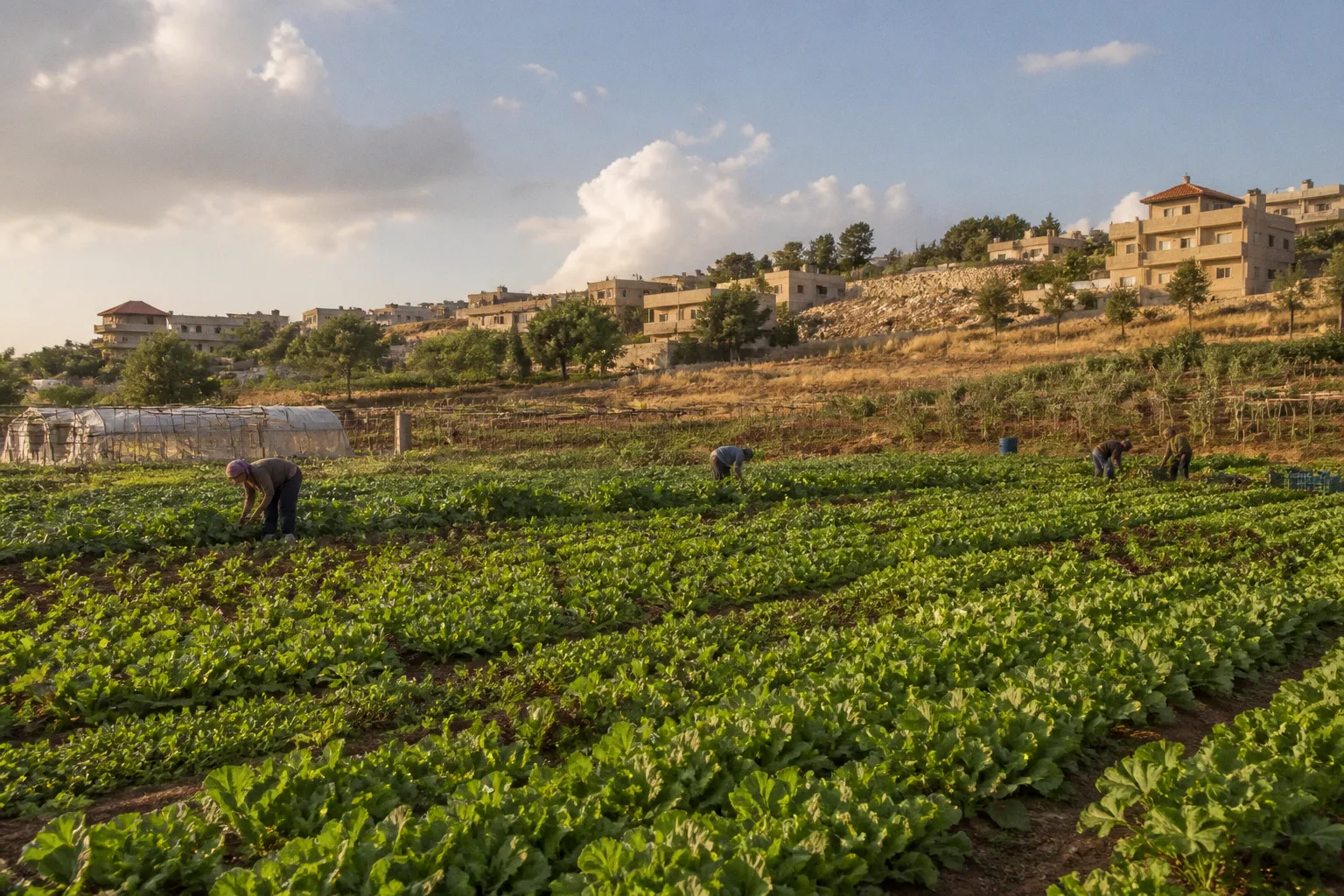
So when the World Food Programme steps forward with emergency cash transfers for 2,000 conflict-affected farming households in Lebanon, delivered through a newly launched programme built alongside the Ministry of Agriculture and backed by the European Union, our cooperatives should be paying close attention. This is the kind of moment where preparation meets opportunity, and the growers who've kept their cooperative houses in order will be the ones best positioned to walk through the door.
What the SRAA actually offers
According to the WFP Lebanon Country Brief for August 2026, the assistance flows under a framework called the Shock-Responsive Agricultural Assistance programme, or SRAA. The mechanism is straightforward in design: direct cash transfers to farming households whose livelihoods have been disrupted by conflict, with delivery coordinated through the Ministry of Agriculture rather than around it.
That coordination matters more than it might first appear. When emergency support runs through a national agricultural authority, it tends to leave behind data, relationships, and institutional memory that cooperatives can draw on long after the cash has been spent. The EU funding signals that this isn't a one-off gesture — it's a structured programme our sector can learn to work with, and learn to work with quickly.
Where our cooperatives fit in
Here's where we, as a cooperative community, need to be honest with ourselves. The most productive engagement with programmes like SRAA rarely happens when individual farmers knock on doors alone. It happens when cooperatives arrive with clean membership rosters, documented production records, and a clear picture of how conflict has disrupted a specific value chain — whether we're talking apples, olives, citrus, or table grapes.
If your cooperative hasn't recently taken stock of which members have been displaced, which plots went unharvested, or which cold storage capacity was damaged, this is the season to do that inventory. Not because paperwork is exciting in itself, but because that's what makes a cooperative legible to funders who need to move fast and account for every dollar.
The economic backdrop we cannot ignore
The wider picture is sobering. The World Bank's Summer 2026 Lebanon Economic Monitor projects the economy will contract by 6.4% this year, with inflation projected to reach 17.5%. When household purchasing power is falling that quickly, cash assistance stretches further than it would in calmer times — but it also disappears faster, which puts real pressure on programmes designed to be shock-responsive.
We should expect demand on these mechanisms to intensify in the months ahead, and with it, the need for cooperatives to demonstrate operational readiness. Members who have their documentation current, their collective production data organized, and a shared voice on what comes next will be the ones included in whatever the next phase looks like.
This is our moment to lean fully into the cooperative model — not as a slogan we repeat at the annual gathering, but as the operational advantage it truly is when the world is watching to see who can deliver at scale.