Lebanon Simplifies Farmer Registration for Unsurveyed Rural Lands
For years, one of the quiet frustrations facing our growers in Lebanon's unsurveyed villages has been the paperwork barrier to joining the national Farmers' Registry.
Without formal land surveys, many smallholders simply couldn't produce the documentation required — and that meant missing out on extension services, support programs, and the kind of organized market access that cooperatives depend on. Now, according to the Ministry of Agriculture, exceptional procedures have been adopted to simplify registration through the end of 2027, accepting recent documentation certified by the local mukhtar and municipality in place of formal survey records.
What the new rules actually mean for our cooperatives
The change is straightforward but significant: in villages where cadastral surveys haven't been completed, farmers can now use locally attested documents to meet specified registration requirements. That's a real door-opener for the many small producers who've been operating outside the formal system — not by choice, but because the system wasn't built for their reality. For cooperatives already working to consolidate membership and strengthen collective bargaining, this removes one of the most stubborn bottlenecks. It means more of our growers can be counted, supported, and connected to the programs that help us compete.
Registration as a foundation for contractual farming and direct markets
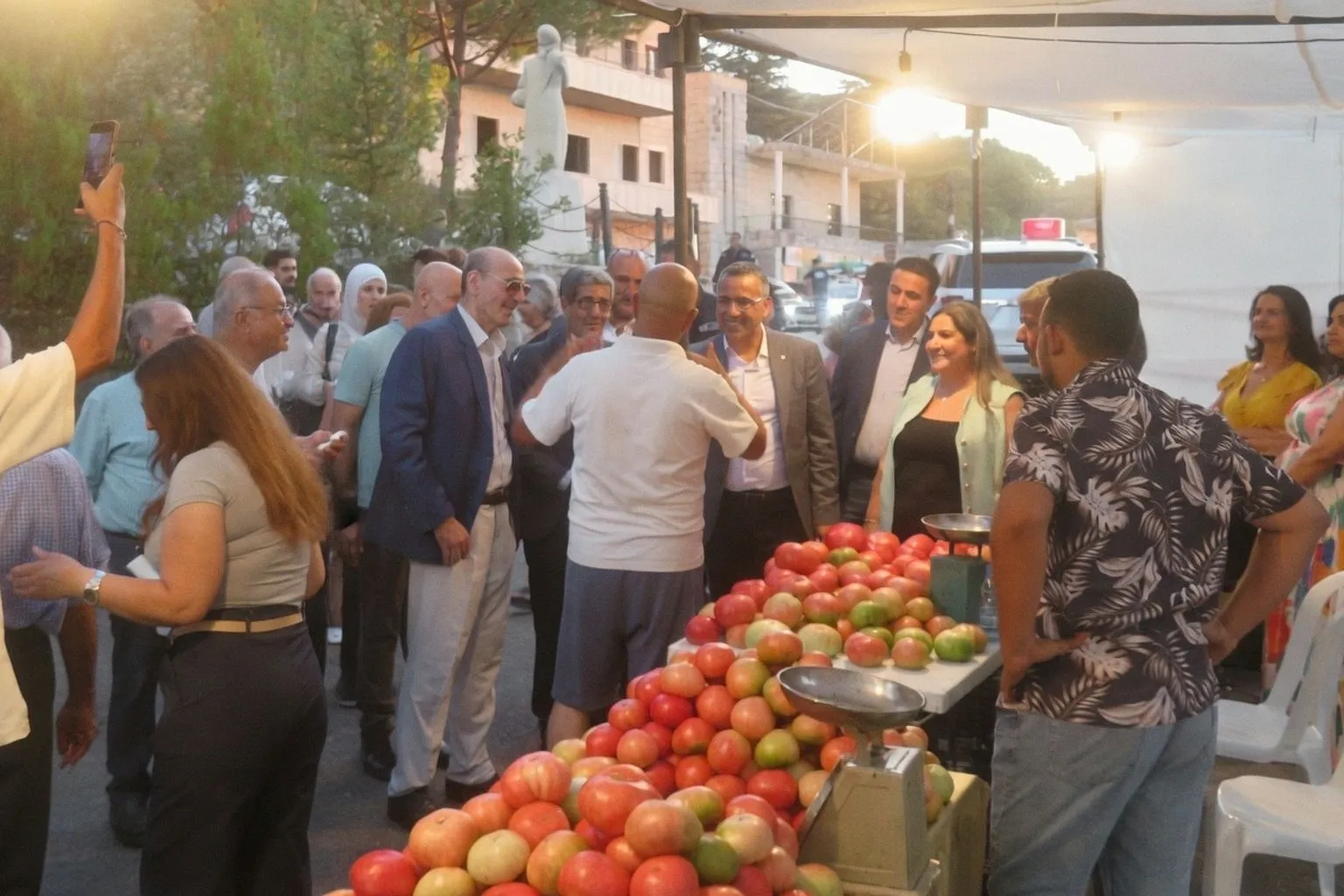
At the second annual tomato festival in Kfernabkh, Agriculture Minister Nizar Hani made the case plainly: the Farmers' Registry is a foundational instrument for organizing the sector and building the kind of accurate database that lets the ministry direct support where it's needed most. He also stressed the importance of expanding contractual farming — arrangements that give growers more predictable marketing channels and reduce the volatility that so often erodes our margins. The minister pointed to initiatives like the Mount Lebanon Market as concrete examples of shortening the distance between producer and consumer, cutting intermediary layers, and improving what our farmers actually take home. These aren't abstract policy goals; they're the building blocks of the kind of stable value chains that cooperatives are uniquely positioned to deliver.
What we can do with this window
The simplified procedures run through the end of 2027, which gives us a practical window — but not an endless one. For cooperative leaders, the immediate step is reaching out to members in unsurveyed areas and helping them gather the mukhtar-certified documentation now, before the deadline creeps up. Coordinating with municipal offices early will smooth the process. The more of our growers who enter the registry during this period, the stronger our collective position becomes — not just for accessing current support programs, but for shaping the data that will guide future investment in Lebanese agriculture. This is one of those moments where organizing together, right now, pays dividends for seasons to come.